



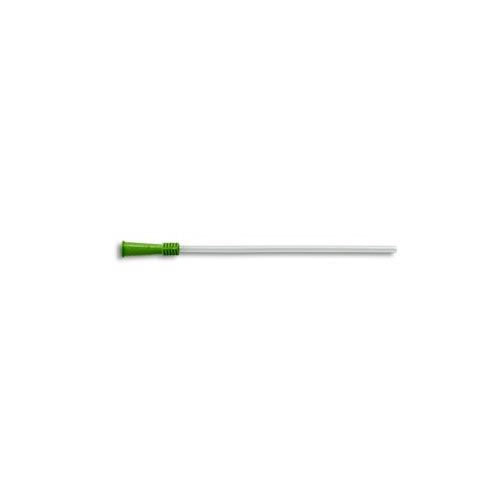
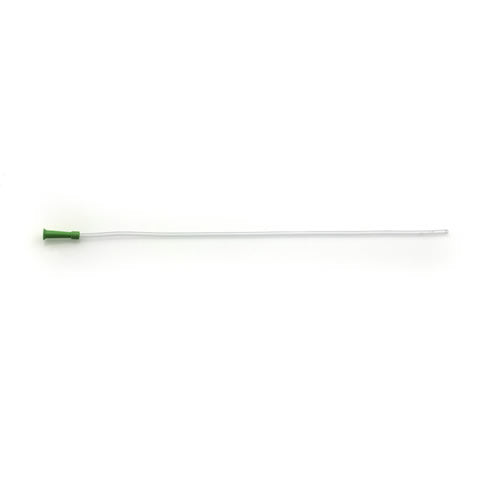
About urinary catheters
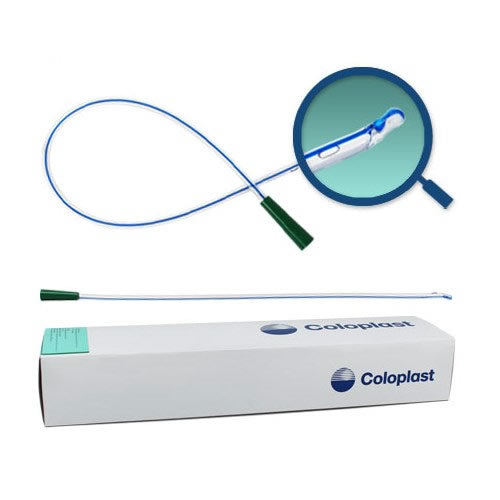
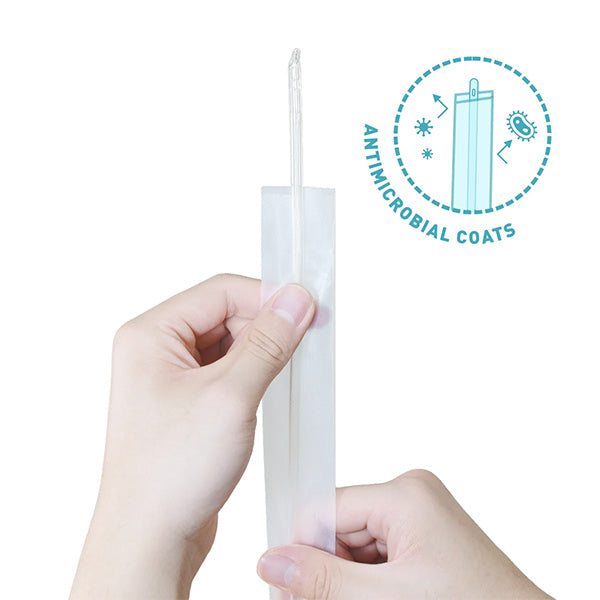
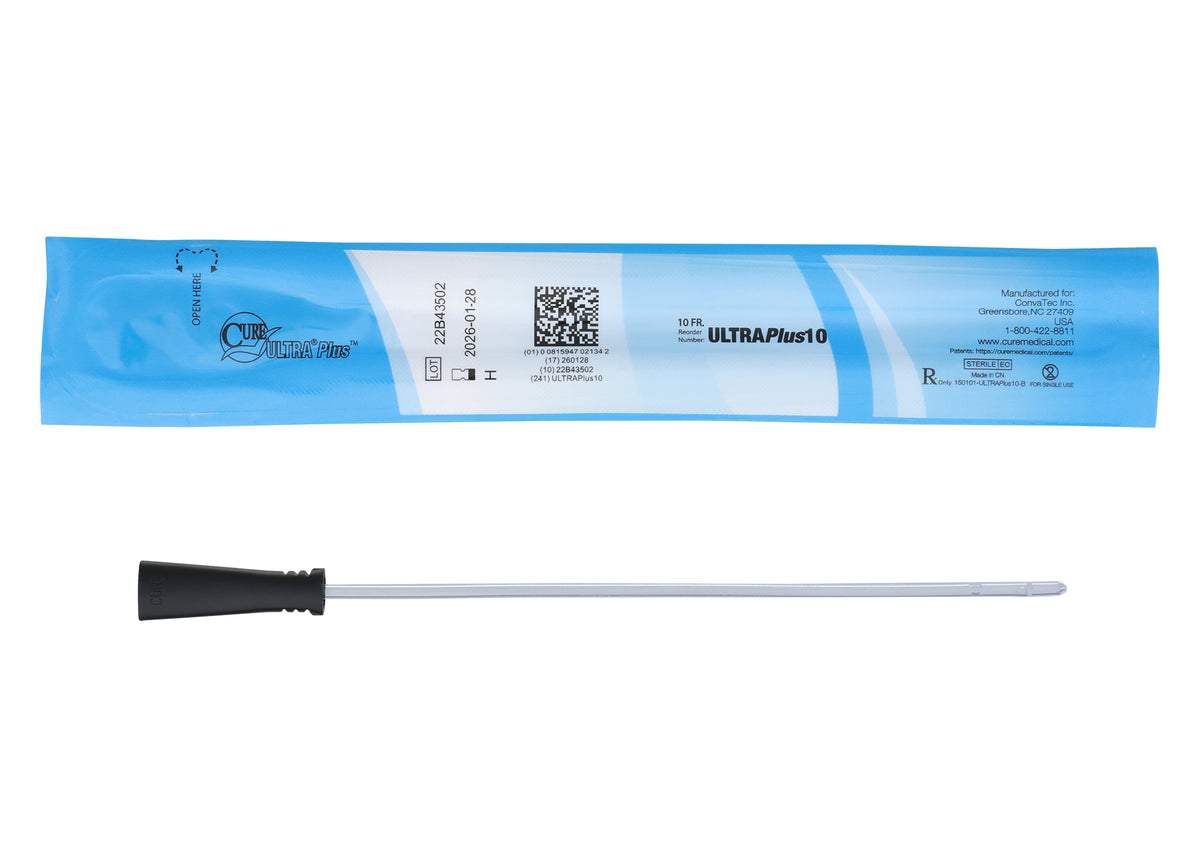
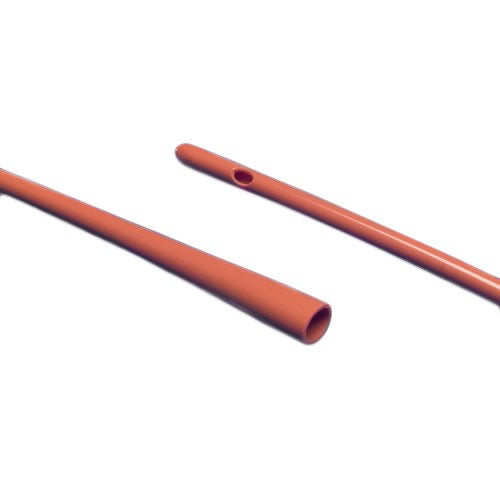
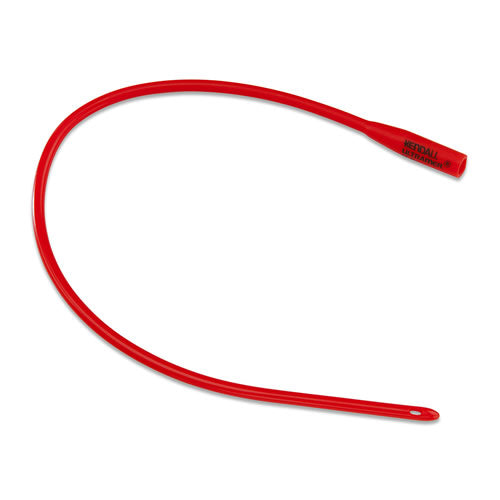
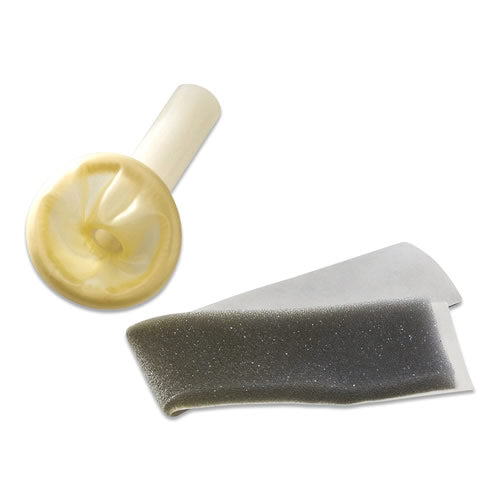
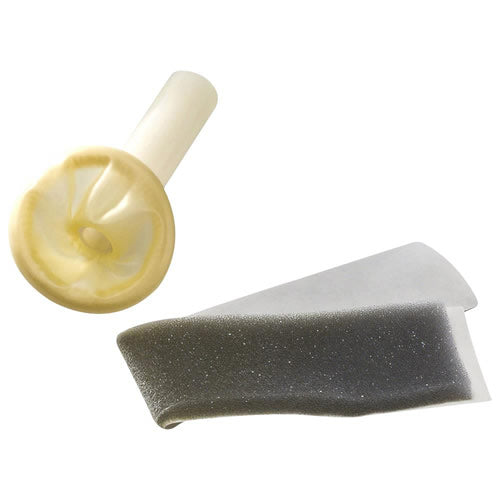
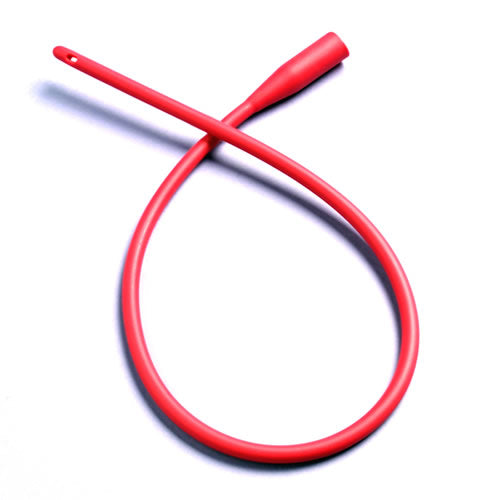
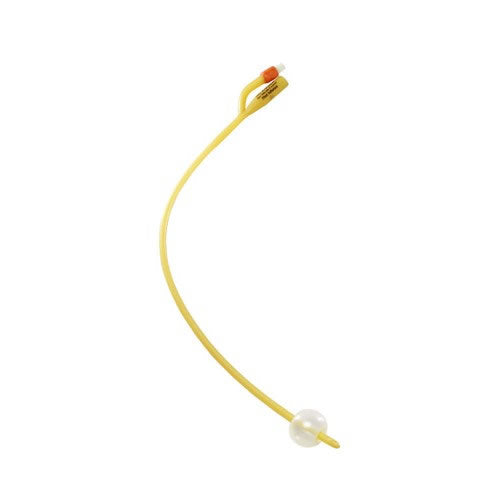
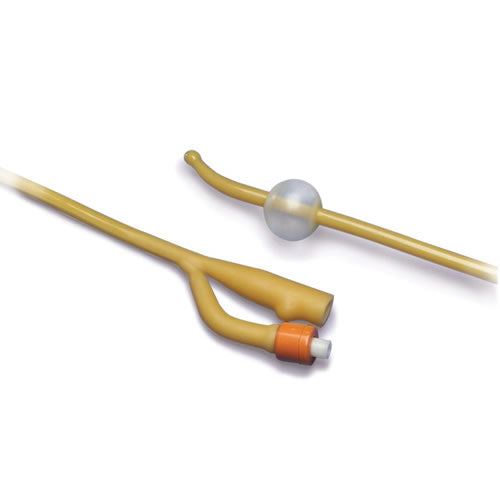
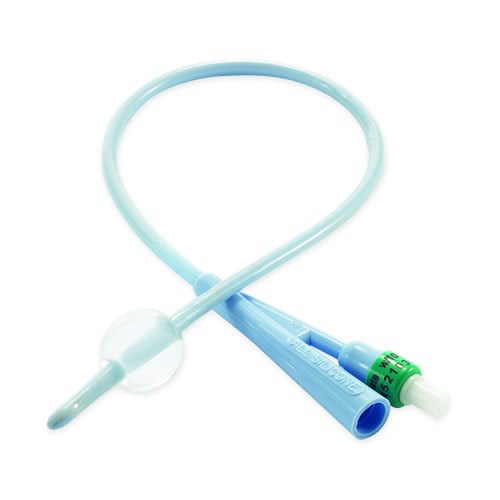
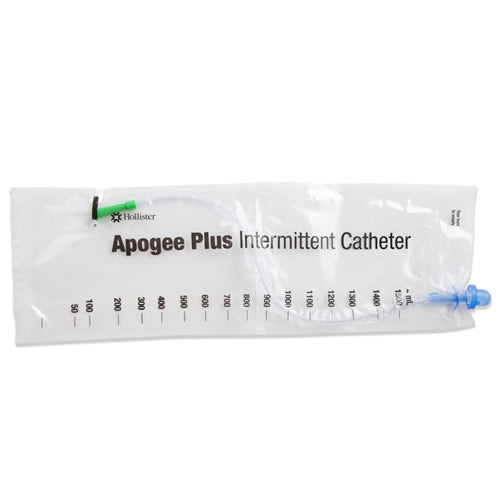
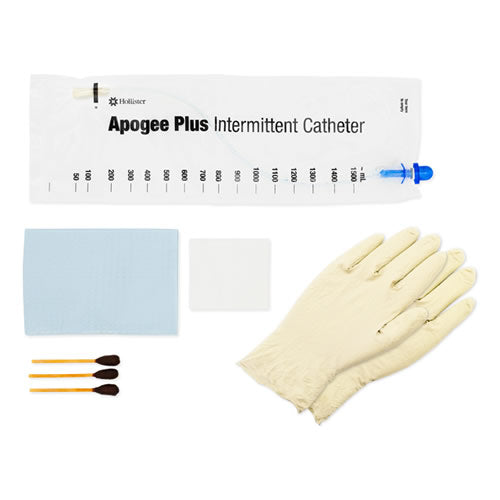
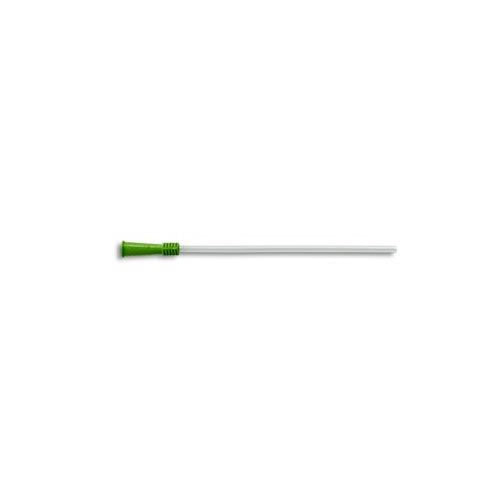
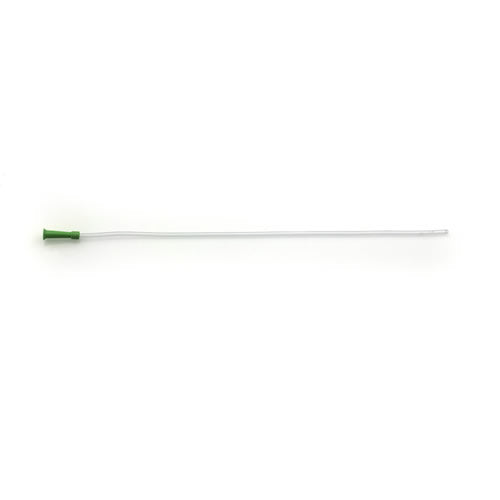
Intermittent catheters are inserted to drain the bladder and then removed; they come in straight and coudé (curved) tips, uncoated, hydrophilic (water-activated) and closed-system versions with an attached bag. Foley and indwelling catheters stay in place, held by a small balloon, and connect to a drainage bag. Male external catheters fit over the penis like a sheath and connect to a leg or night bag.
Intermittent and Foley catheters are sized in French (Fr), the outer diameter; external catheters are sized in millimeters. Listings show size, length, tip, material and pack size; use the size and type your clinician specified. Drainage bags and securement accessories are listed separately.
Frequently asked questions
What is the difference between a straight and a coudé catheter?
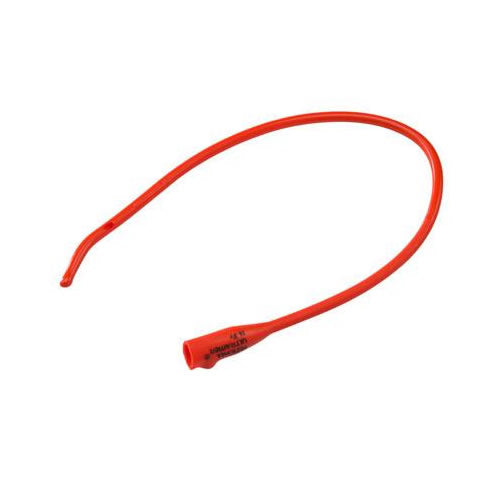
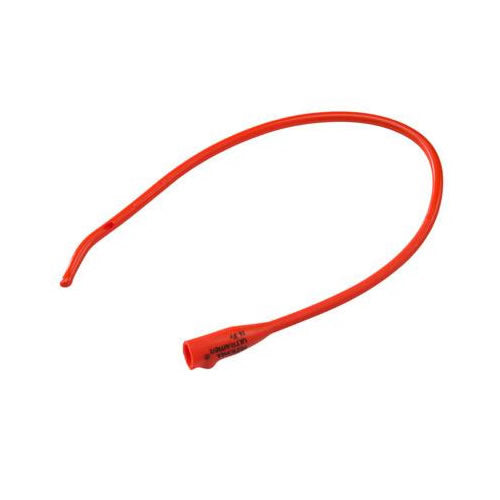
A straight-tip catheter has a straight end. A coudé catheter has a short curved tip that some users need for insertion; it is specified by the prescriber. Coudé catheters show the tip style in the title and REF, so reorder the same one you have been using.
What does French size mean?
French (Fr) is the outer diameter of the catheter; each French unit is one third of a millimeter, so a 14 Fr catheter is about 4.7 mm across. Your prescription or current box states the French size and length; male external catheters use millimeters instead.
Are urinary catheters covered by insurance?
Catheters are often covered with a prescription, and each listing shows the HCPCS code from the manufacturer data for reference. Monthly quantity limits and coverage depend on your payer and plan, so confirm with them before ordering.