


About bandages, tapes and wraps
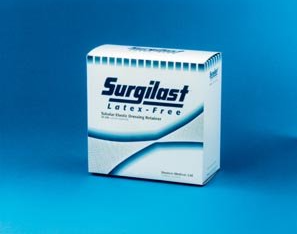
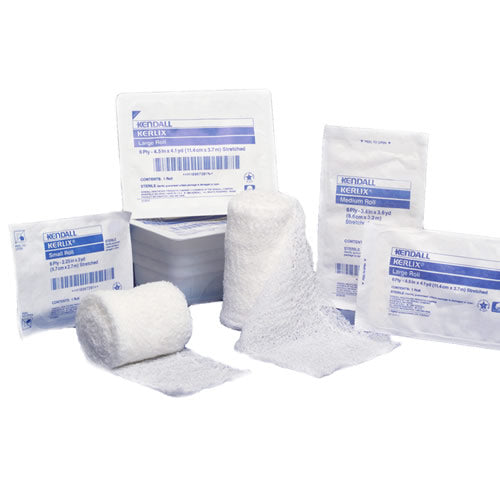
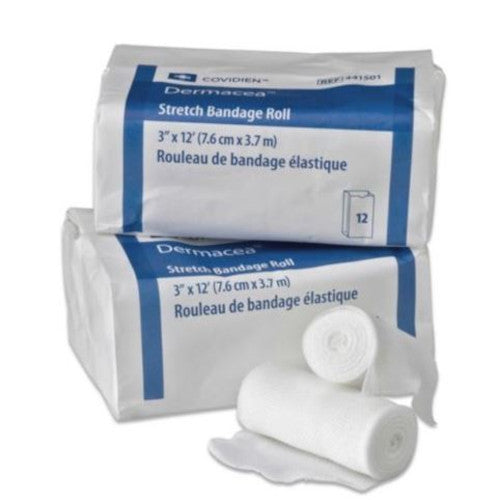
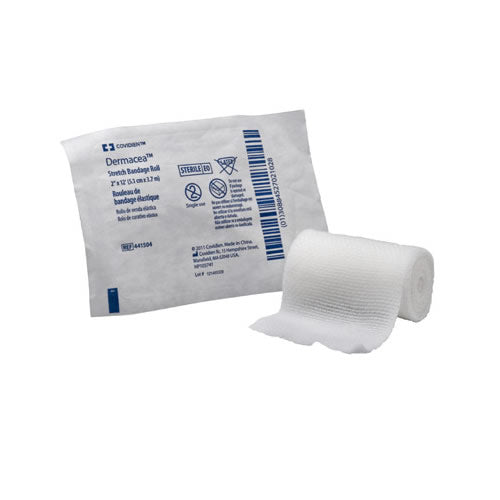
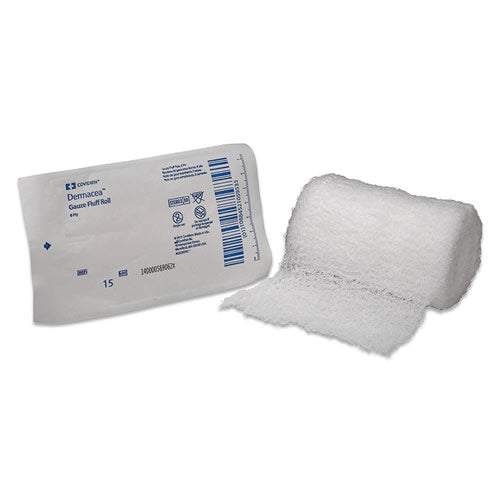
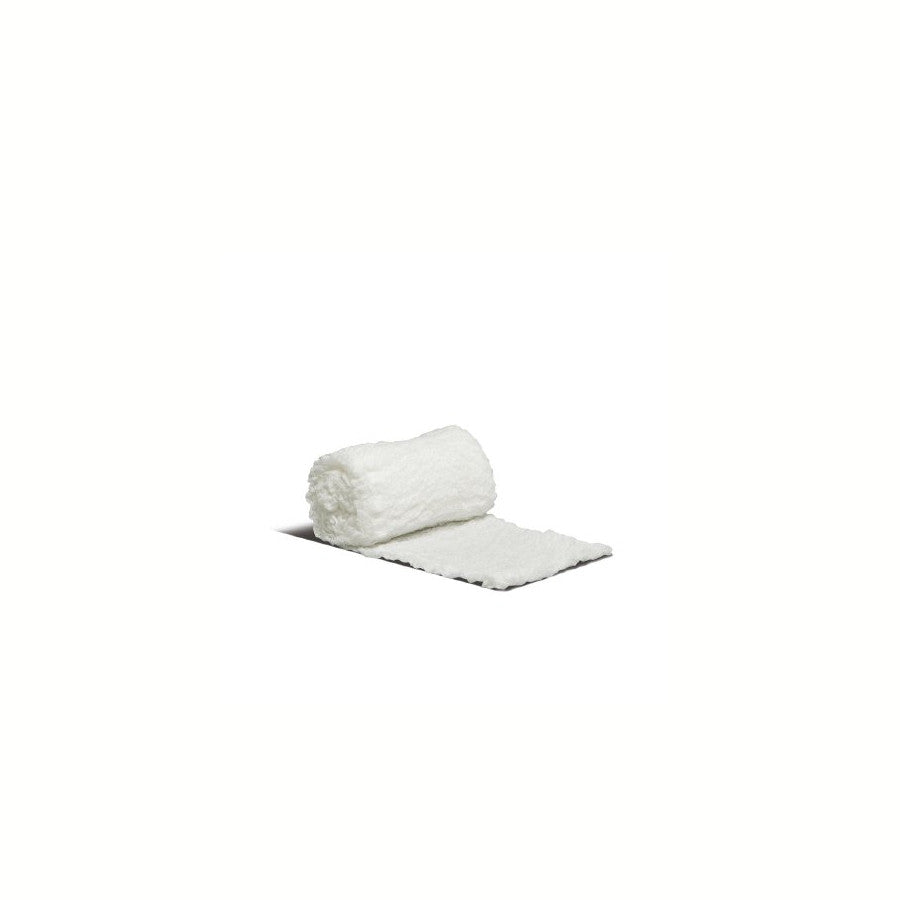
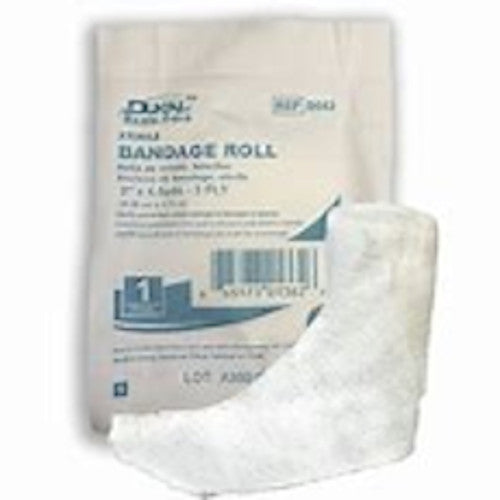
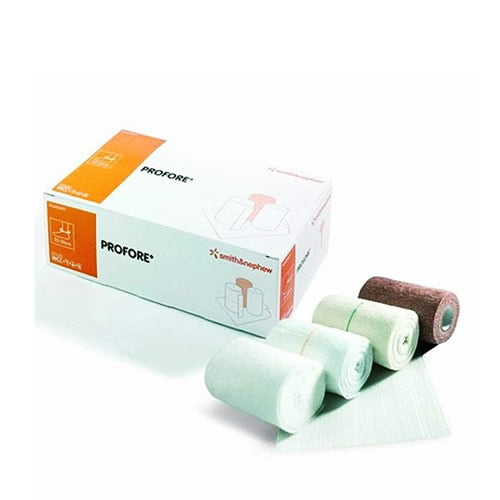
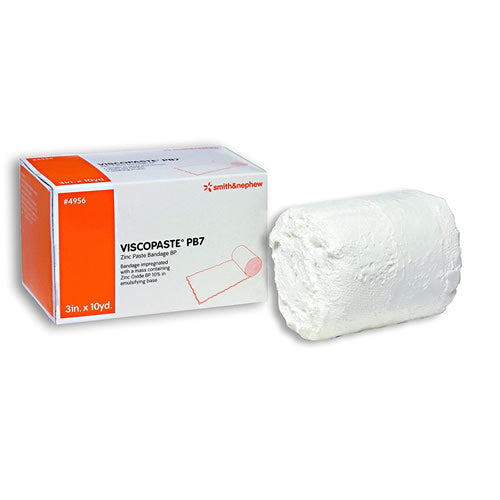
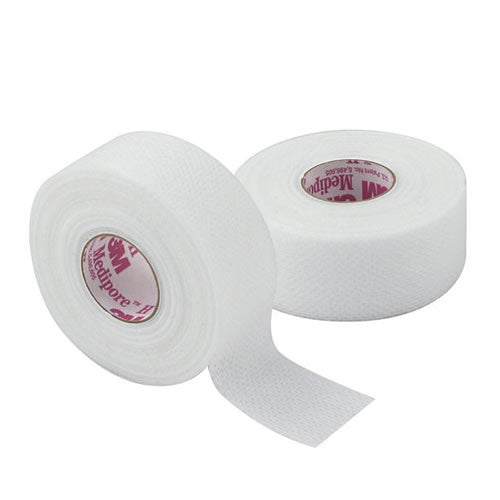
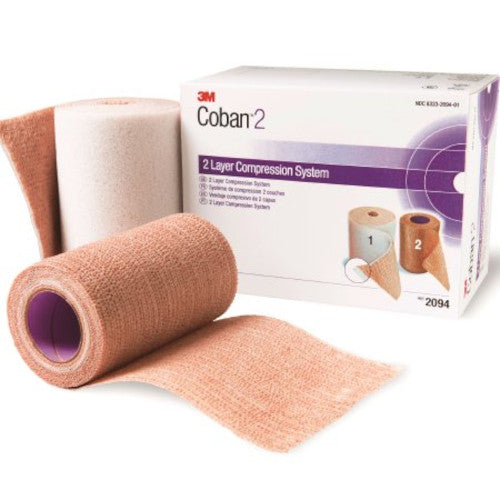
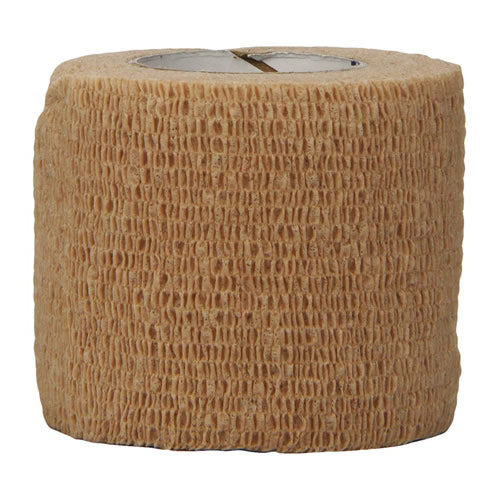
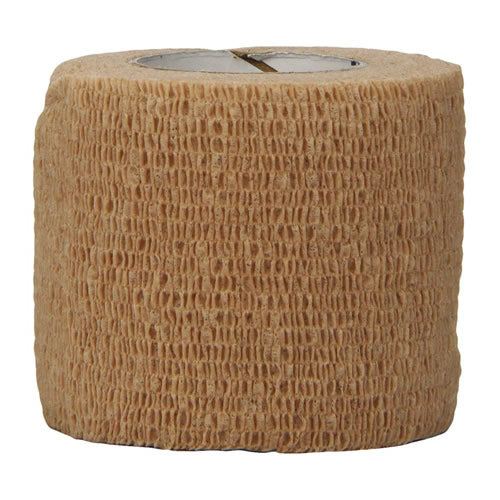
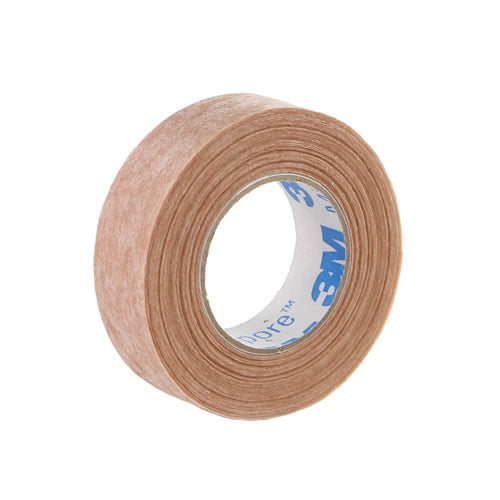
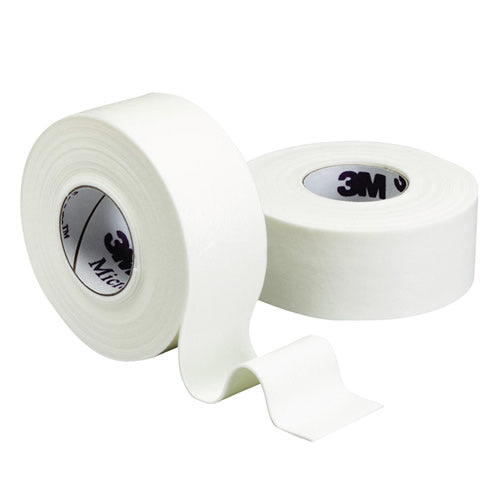
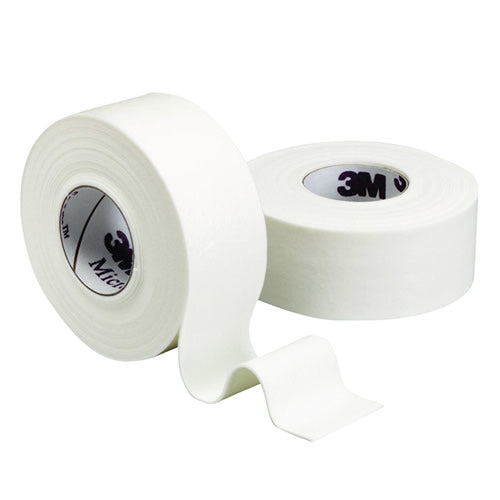
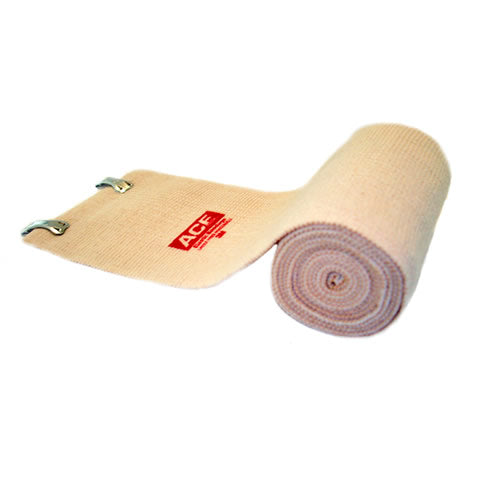
These supplies hold dressings and devices in place, add light support, or apply layered compression. Medical tapes come in paper, silk-like plastic, cloth, foam and silicone, which differ mainly in how firmly they hold and how gently they release. Elastic bandages and retainers include stretch and conforming rolls, gauze rolls and tubular retainers that keep a dressing in place without adhesive on the skin. Compression bandages are multi-layer or short-stretch systems applied as a kit.
Listings show width, length, material and pack size, so a roll or box can be matched to the one you already use.
Frequently asked questions
Which medical tape should I use?
Paper tape is light and releases easily, plastic and silk-like tapes hold more firmly and are water resistant, cloth tape is strong and flexible, and silicone tape is designed to release gently from fragile skin. Pick by how long it needs to stay on and how sensitive the skin is.
What is the difference between an elastic bandage and a conforming bandage?
Elastic bandages stretch and recover, giving light support and holding dressings on limbs and joints. Conforming bandages and gauze rolls stretch less and are mainly used to secure a dressing without adding support. Tubular retainers slide on and hold a dressing without wrapping.
Are compression bandage systems applied at home?
Multi-layer compression systems are usually applied by a clinician or trained caregiver, following the manufacturer's instructions and the compression level specified for the patient. Each kit lists its layers, width and the limb circumference it is designed for.