








Wound dressing types at a glance
Dressings are grouped by what they are made of and how much fluid (exudate) they are designed to handle. The type, size and change frequency for a specific wound should come from the clinician managing it; this guide explains the categories so you can find and reorder the right product.
| Type | What it is | Typically chosen for |
|---|---|---|
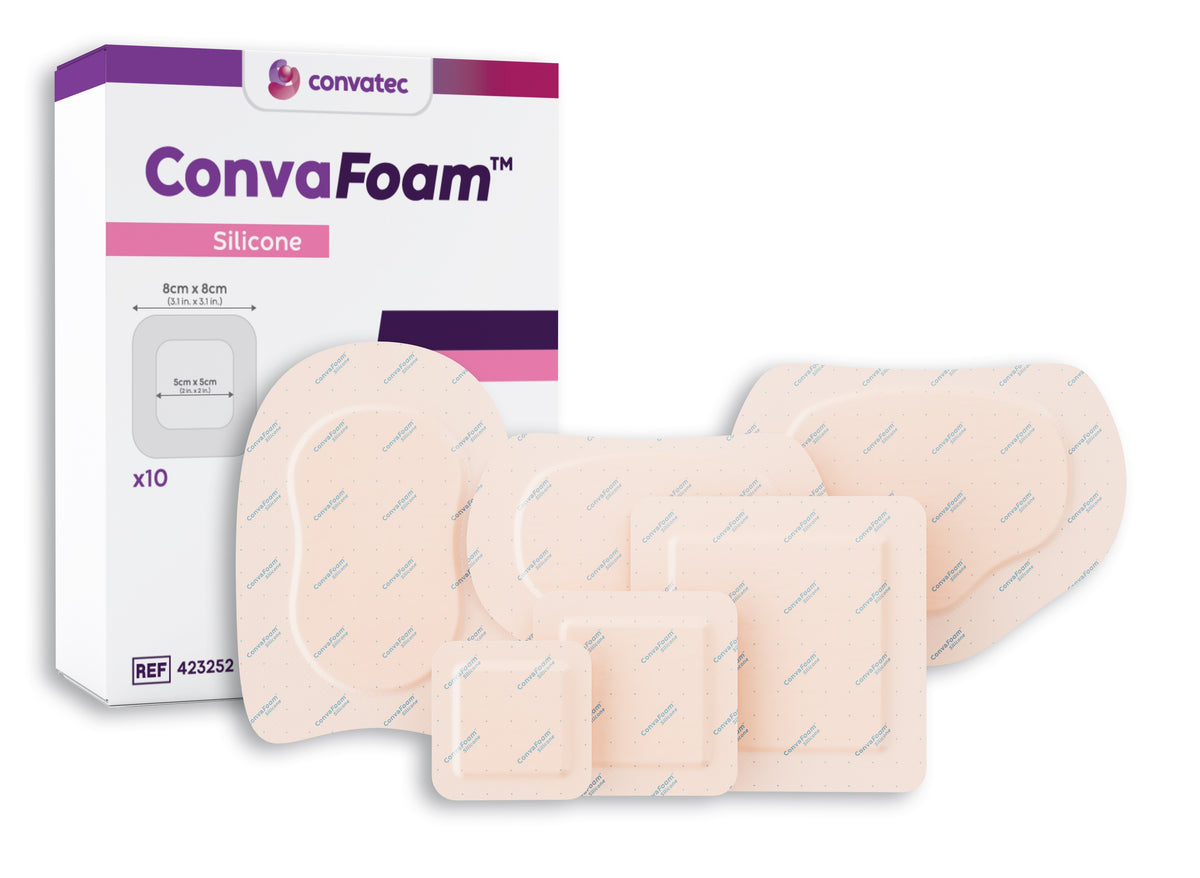
| Foam | Soft polyurethane foam pad, with or without an adhesive or silicone border | Moderate to heavy drainage; cushioning over bony areas such as the heel or sacrum |
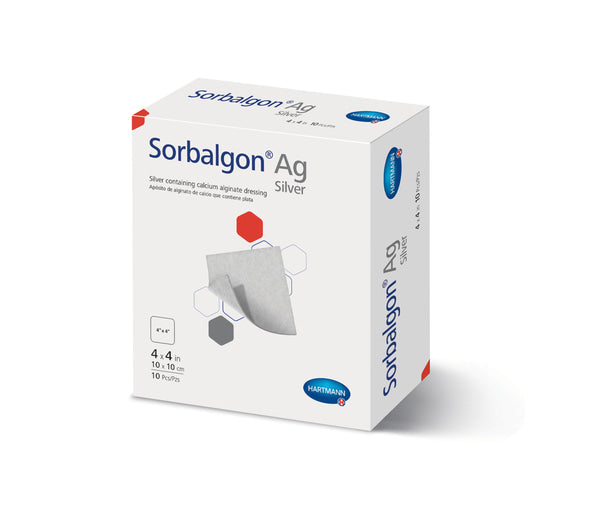
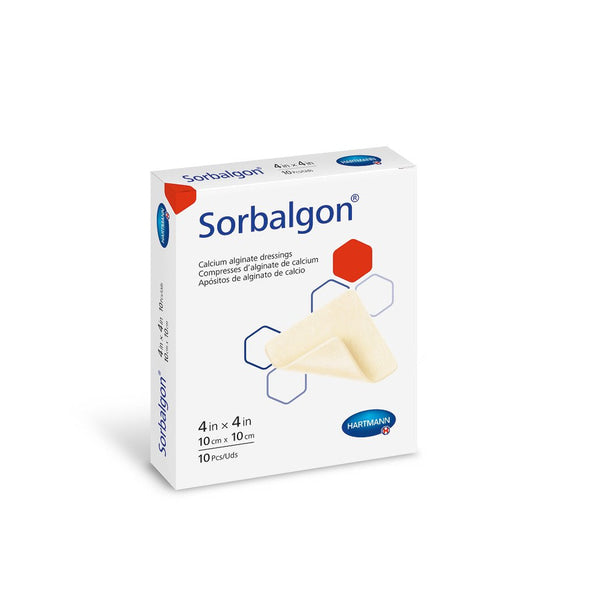
| Alginate & gelling fiber | Fibers from seaweed (alginate) or gelling fibers that turn into a gel as they absorb | Moderate to heavy drainage; ropes and ribbons for packing deeper wounds |
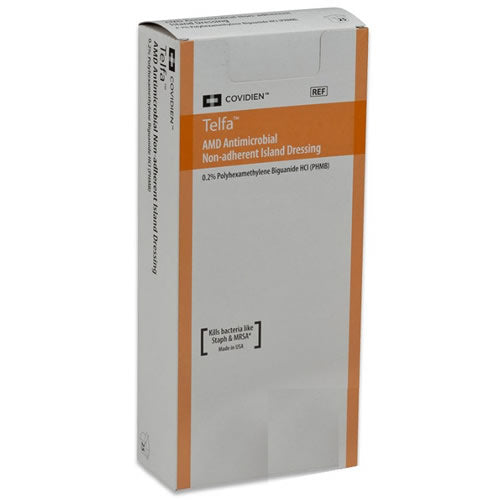
| Silver & antimicrobial | Foam, alginate, gauze or collagen dressings that contain silver, iodine, honey or PHMB | Used when the prescriber specifies an antimicrobial dressing |
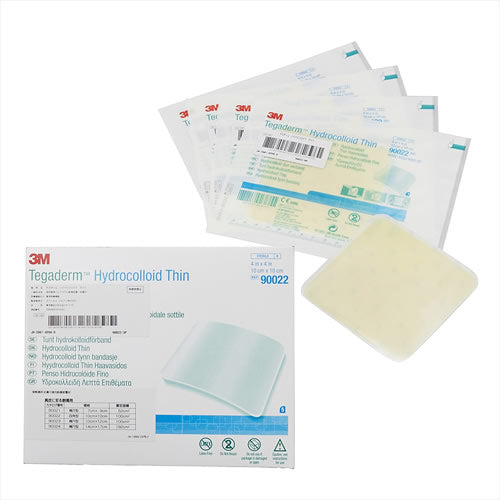
| Hydrocolloid | Adhesive wafer that forms a gel over the wound; thin and standard versions | Light to moderate drainage; long wear on shallow wounds |
| Transparent film | Thin, clear, waterproof adhesive film | IV and catheter sites, superficial wounds, and as a cover over other dressings |
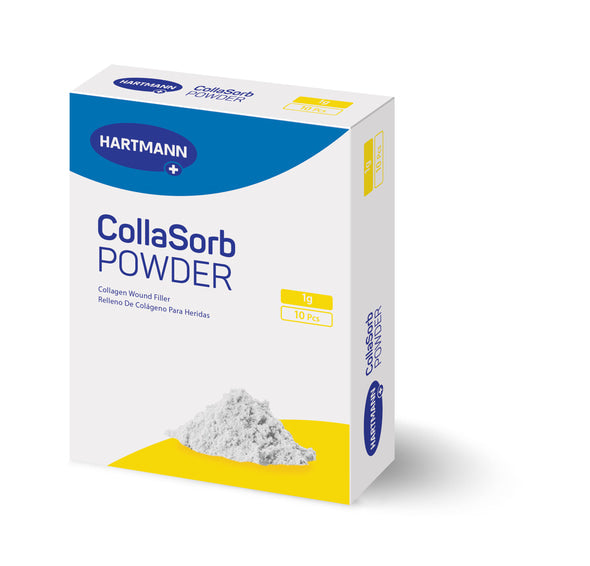
| Collagen | Collagen sheets, pads or powder, some combined with alginate or silver | Used as directed by the clinician, usually under a secondary dressing |
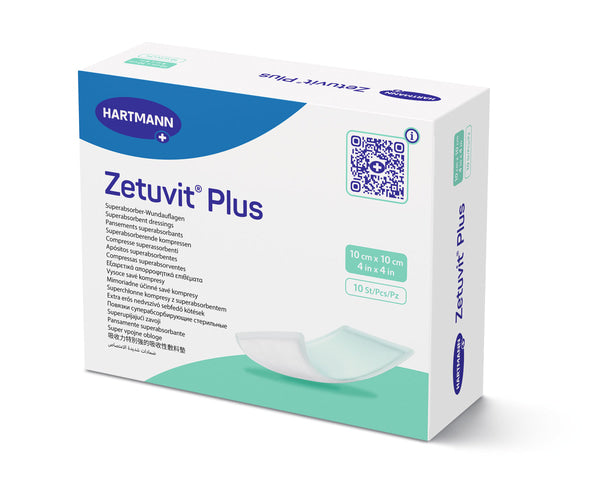
| Super-absorbent | Multi-layer pads with a polymer core that locks fluid in | Heavy drainage, where frequent changes would otherwise be needed |
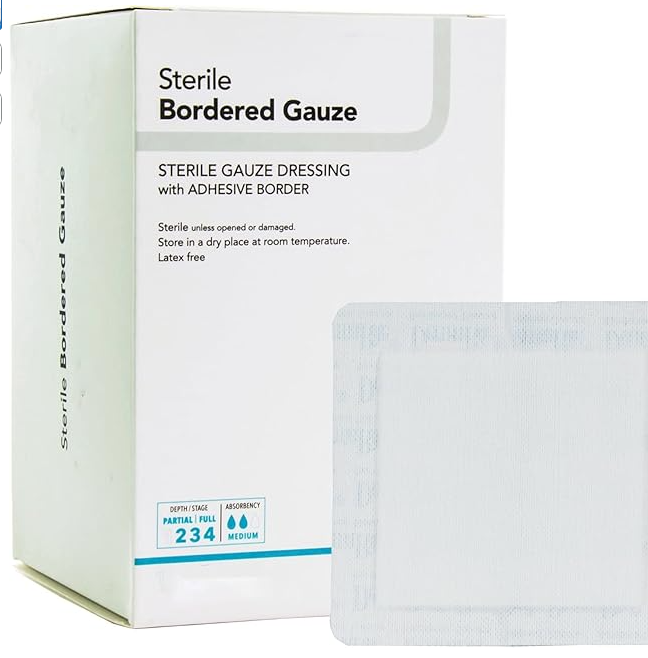
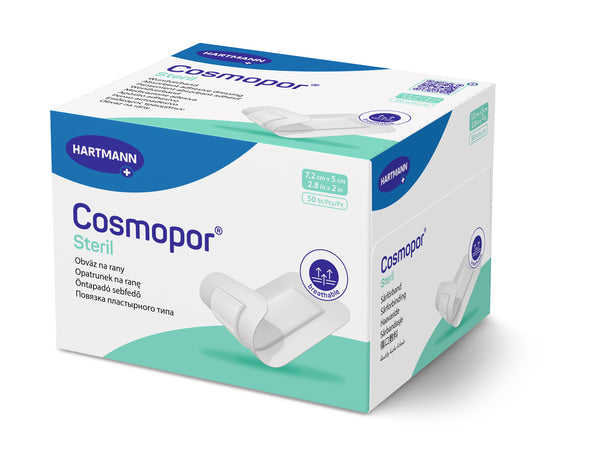
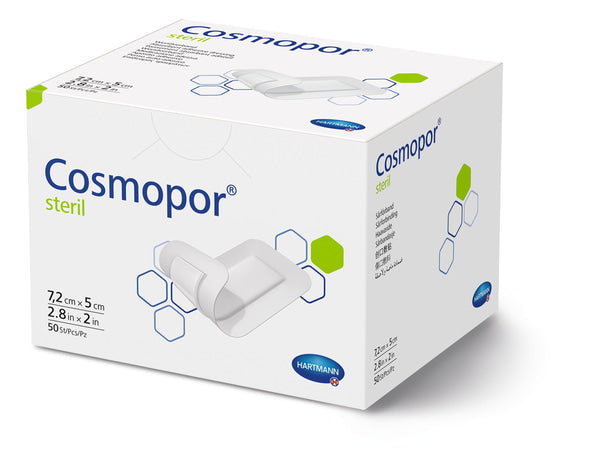
| Island & composite | Absorbent pad centered on an adhesive border (an all-in-one dressing) | Light to moderate drainage when no separate tape or cover is wanted |
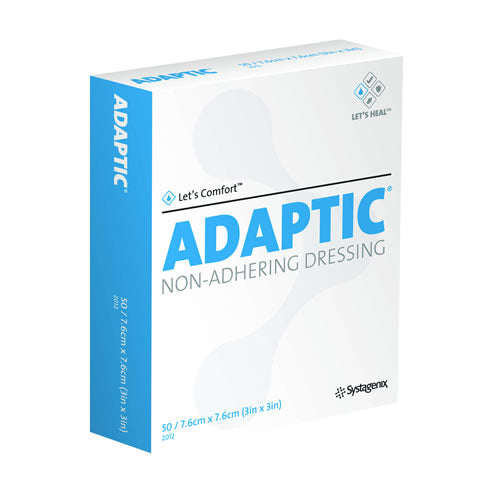
| Gauze & non-adherent | Woven and non-woven gauze, impregnated gauze and non-stick contact layers | Covering, packing and cleaning; contact layers go directly on the wound to limit sticking |
Dressings are described as primary (touching the wound) or secondary (holding a primary dressing in place or adding absorbency). Alginates, collagen and contact layers are usually primary dressings covered by a foam, film, gauze or bordered dressing. Every listing shows the size, border style, manufacturer REF, pack size and HCPCS code.
Frequently asked questions
How do I choose between foam, alginate and hydrocolloid dressings?
The main difference is how much fluid each is designed to hold. Hydrocolloids suit light to moderate drainage, foams moderate to heavy, and alginates or gelling fibers moderate to heavy, including deeper wounds that need packing. Use the type your clinician specified; the product listing gives size, border and absorbency.
What are foam dressings used for?
Foam dressings absorb moderate to heavy drainage and add a layer of cushioning, which is why shaped versions exist for the heel and sacrum. Bordered foams have an adhesive or silicone edge and need no tape; non-bordered foams are held in place with a secondary dressing, wrap or tape.
What are alginate and gelling-fiber dressings used for?
They are made from seaweed-derived or gelling fibers that form a soft gel as they absorb. Flat sheets cover wounds with moderate to heavy drainage and ropes or ribbons are used to fill deeper spaces. They need a secondary dressing, such as a foam or bordered gauze, on top.
When is a silver or antimicrobial dressing used?
Antimicrobial dressings contain an agent such as silver, cadexomer iodine, Leptospermum (medical) honey or PHMB within a foam, alginate, gauze or collagen base. They are used when a clinician specifies an antimicrobial dressing, and many are intended for a limited period. Check the listing for the agent and base material.
What is the difference between a hydrocolloid and a transparent film?
A hydrocolloid is a thicker adhesive wafer that absorbs a small amount of fluid and forms a gel, suited to light drainage and longer wear. A transparent film absorbs nothing; it is a clear waterproof cover used over IV sites, superficial wounds or other dressings, and lets the area be seen without removal.
What are collagen dressings?
Collagen dressings are sheets, pads or powders made from collagen, sometimes combined with alginate or silver. They are placed directly on the wound as a primary dressing and covered with a secondary dressing. They are generally used as directed by a wound-care clinician.
When would I use a super-absorbent dressing?
Super-absorbent dressings have a polymer core that locks in large volumes of fluid, so they are chosen for heavy drainage where a standard gauze or foam pad would need changing very often. They are available bordered and non-bordered and can be used as a primary or secondary dressing depending on the product.
What is an island or composite dressing?
An island dressing has an absorbent pad in the middle of an adhesive border, so it covers and secures in one piece. Composite dressings combine several layers, such as a non-stick contact layer, an absorbent pad and a waterproof backing. Both are used for light to moderate drainage when a separate tape or cover is not wanted.
What does non-adherent mean, and when is gauze used?
Non-adherent dressings and contact layers have a smooth, perforated or impregnated surface designed not to stick to the wound, which makes changes easier. Plain gauze is used for covering, packing and cleaning, and gauze rolls secure other dressings. Sterile and non-sterile versions are listed separately.
Do wound dressings have HCPCS codes?
Yes. Most dressings have an HCPCS code that reflects the type and pad size, and each listing shows the code from the manufacturer data for reference. Whether a dressing is covered, and how many per month, depends on your payer and plan, so confirm with them before ordering.