



About Exam and Procedure Supplies
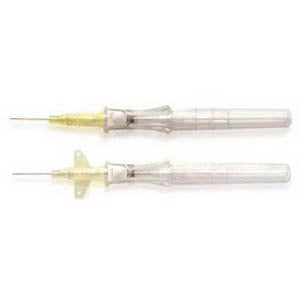
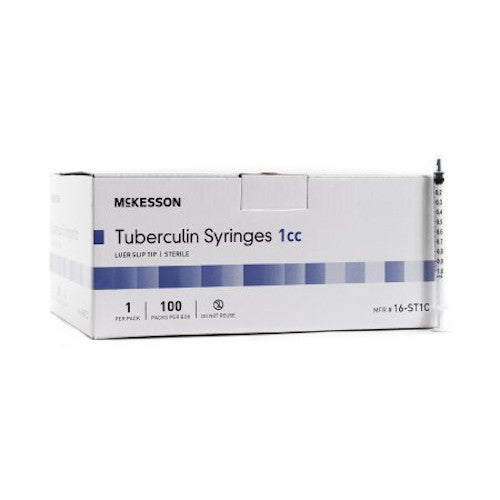
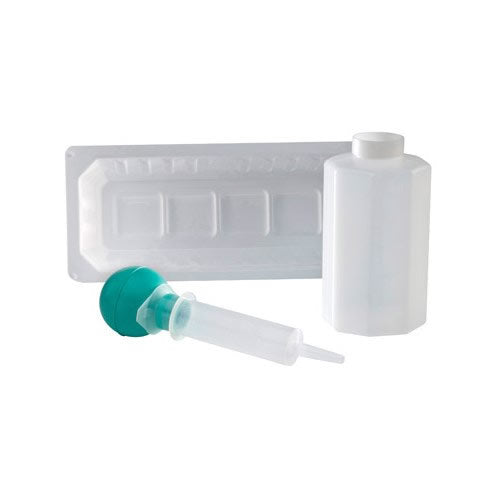
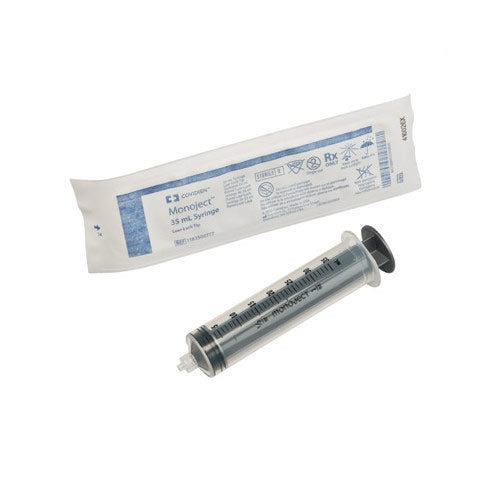
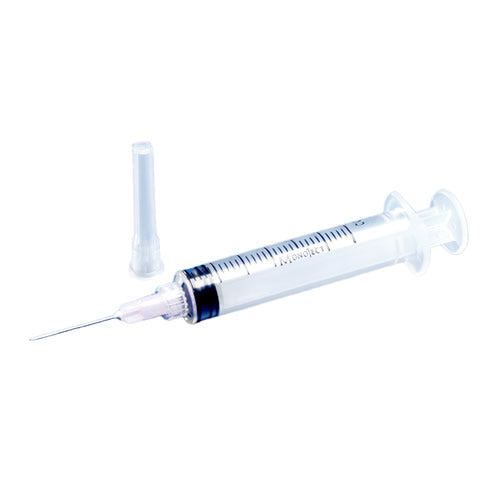
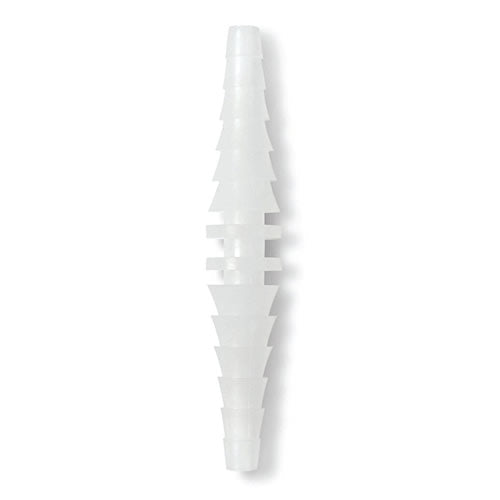
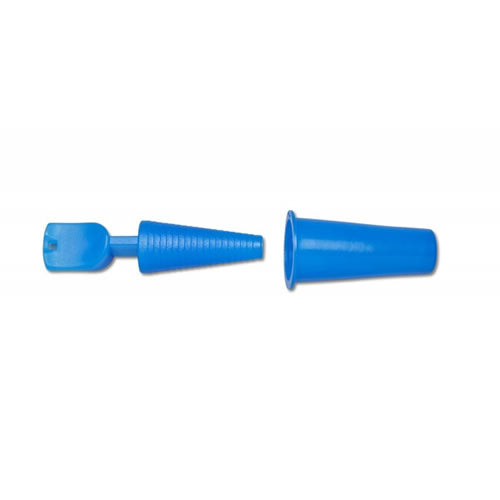
This category covers the general-purpose supplies used in clinics, home care visits and everyday caregiving. It is organized into six collections: connectors, valves and tubing; blood pressure monitors, thermometers and diagnostics; exam gloves and protective wear; procedure kits and trays; syringes and needles; and alcohol prep pads, swabs and wipes.
Because the range is broad, the attributes that matter change from shelf to shelf. Gloves are compared by material (nitrile, latex or vinyl), size, thickness and whether they are powder-free. Syringes are chosen by volume, tip style and needle gauge and length. Blood pressure cuffs are sized to arm circumference, and thermometers differ by method, such as oral, temporal or ear. Kits and trays are listed by their contents, so it is worth reading the component list before ordering.
For repeat orders, the manufacturer's REF or catalog number is the most reliable identifier, because similar-looking items often differ in gauge, length or pack count. Note whether your current supply is sold by the box or by the case, since many of these products are packaged in both.
Frequently asked questions
What is the difference between exam gloves and other protective wear?
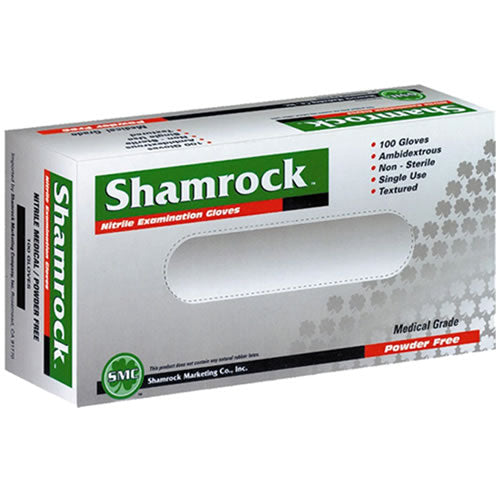
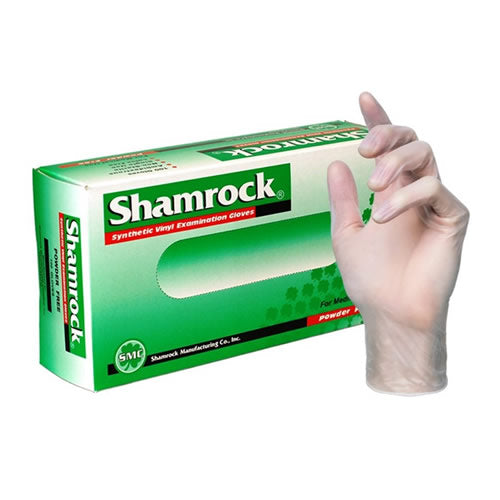
Exam gloves are disposable hand coverings sized from extra small to extra large and made in nitrile, latex or vinyl. Protective wear includes gowns, masks, face shields and shoe covers used to cover clothing and skin during care. Both are single-use, and each listing states its material and size so you can match what you use now.
Do these supplies have HCPCS codes, and are they covered by insurance?
Some items, such as certain syringes, gloves and monitors, have HCPCS codes, and any code shown on a product page is for reference only. Many general exam supplies are not billed to insurance at all. Coverage depends on the payer and plan, so check with your plan before counting on reimbursement.
How do I reorder exactly the same syringes, gloves or pads?
Find the REF or catalog number on the box or case label and search for it here. Also note the size, gauge, volume and the count per box. Many of these products come in boxes of 100 and cases of 10 boxes or more, so confirm whether the listing is a single box or a full case.