

About Hydrocolloid Dressings
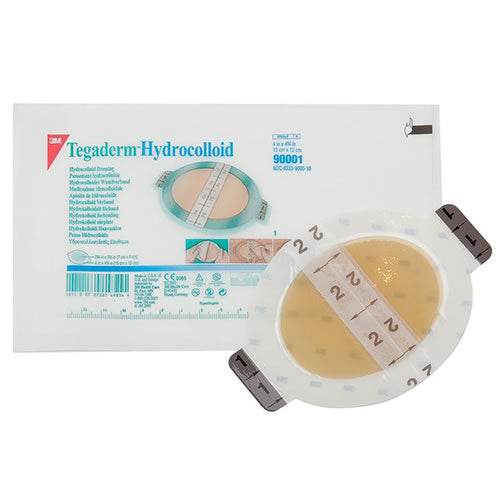
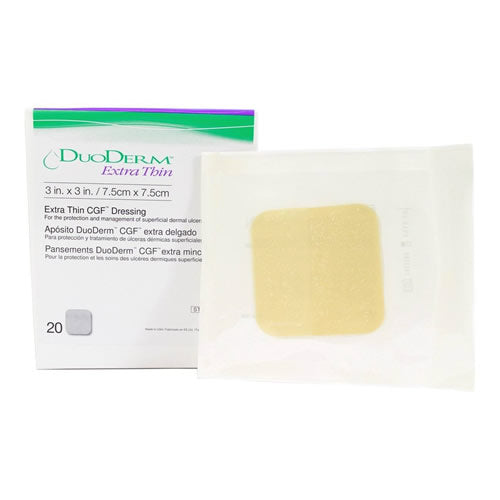
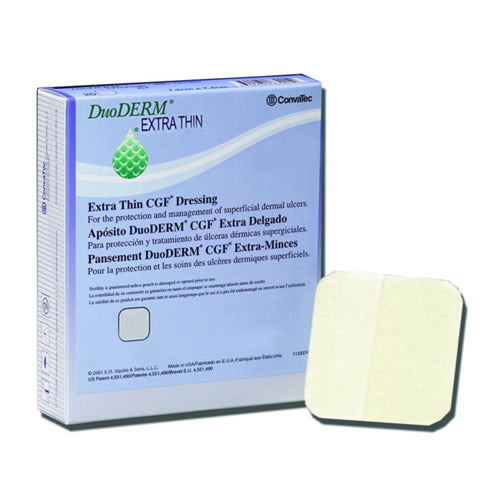
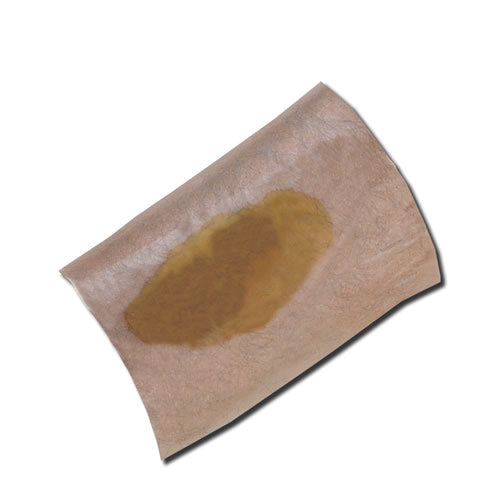
Hydrocolloid dressings combine gel-forming particles with an adhesive base and a thin outer film. When they absorb wound fluid, the particles form a soft gel, and the outer layer is designed to be water-resistant. They are generally intended for wounds with light to moderate exudate. This collection includes standard and thin hydrocolloids, bordered versions and shaped pieces from ConvaTec, Coloplast, Gentell and others, as part of Wound Care Supplies.
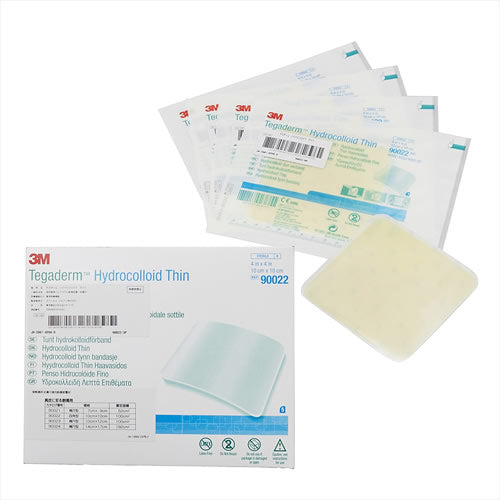
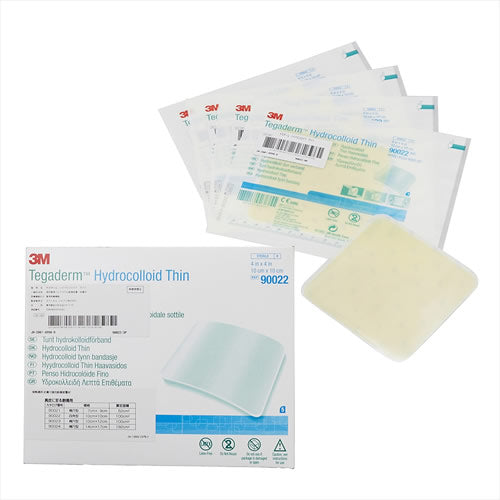
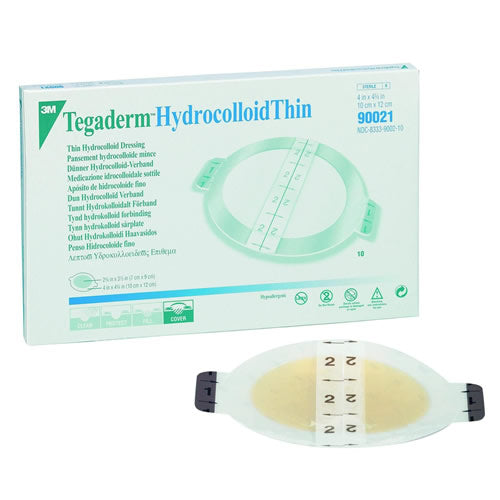
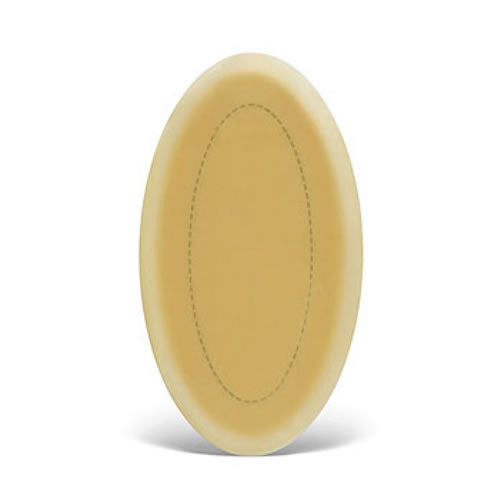
Size is the first thing to match, with the dressing extending past the wound edge on all sides. Shape is the second: squares and rectangles are most common, while triangles, ovals and butterfly shapes are cut for the sacrum, heel and elbow. Border is the third. Bordered hydrocolloids have a thinner tapered edge that lies flat on the skin, while thin or extra-thin versions are flexible and often used on smaller or superficial areas. Selection and change frequency are as specified by your clinician.
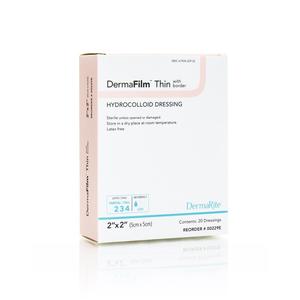
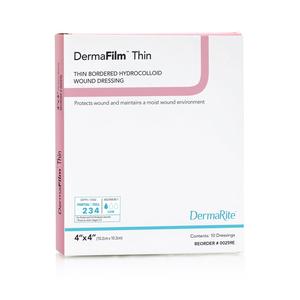
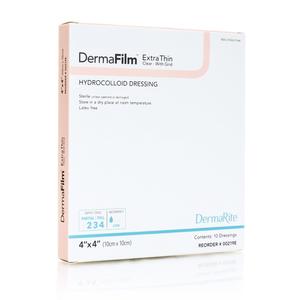
For reordering, the REF number on the carton identifies size, shape, thickness and border together. Hydrocolloids are packed in boxes of individually wrapped dressings, with box and case counts shown on each listing.
Frequently asked questions
How do I choose between standard, thin and bordered hydrocolloids?
Standard hydrocolloids are thicker and hold more fluid. Thin or extra-thin versions are more flexible and are often used on light-exudate or superficial areas. Bordered versions have a tapered edge that sits flat on the skin. Pick the shape for the body location, and follow the type your clinician has specified.
Are hydrocolloid dressings covered by insurance?
Hydrocolloid dressings have their own HCPCS codes, in the A6234 to A6241 range, based on pad size and border. Those codes are shown for reference only. Whether they are covered, how many per month, and what documentation is needed depend on your payer and plan, and a prescription is usually required.
How do I reorder the same hydrocolloid dressing?
Use the REF number from the carton or the individual dressing wrapper and search for it on our site. It identifies size, shape, thickness and border, which can look alike across products. Listings show the number of dressings per box and per case.