


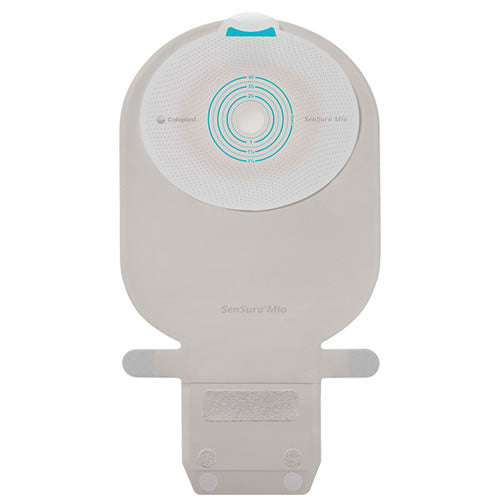
About ostomy pouches
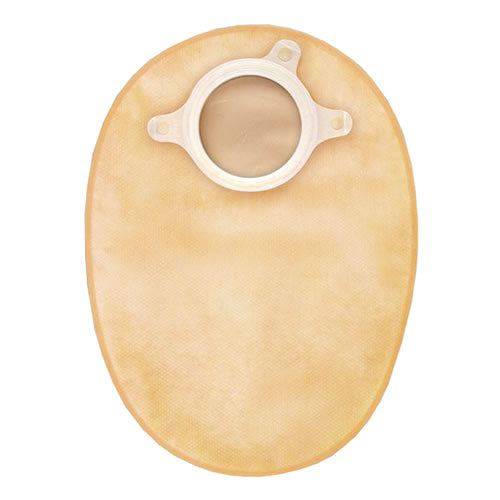
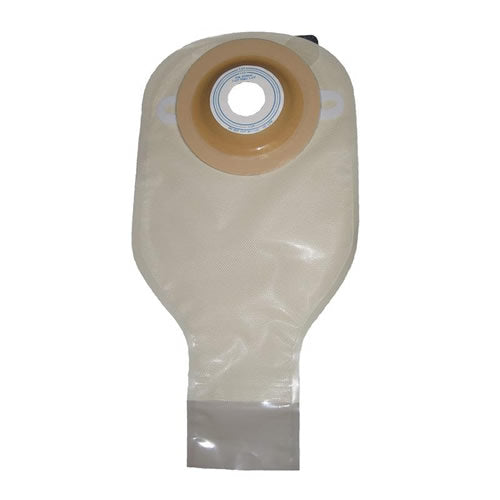
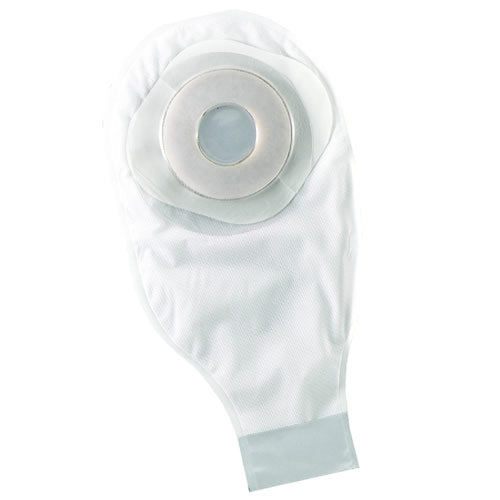
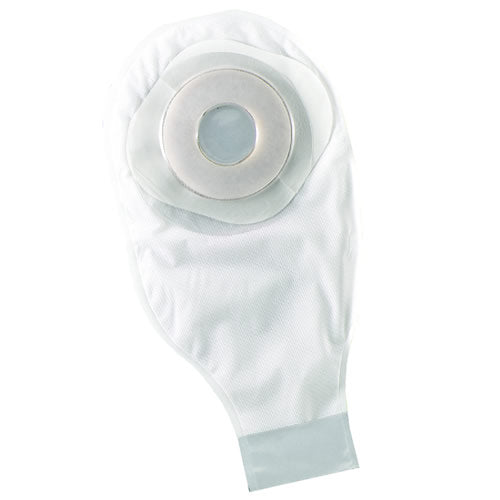
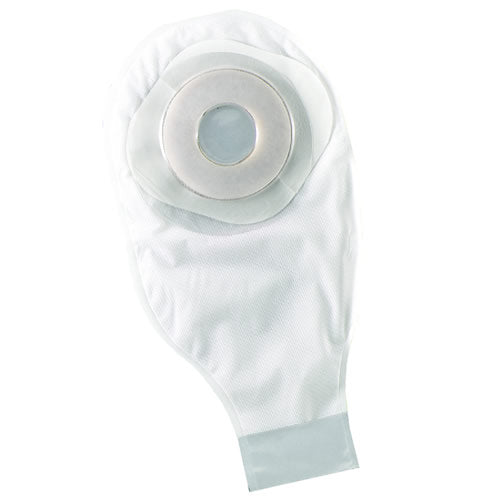
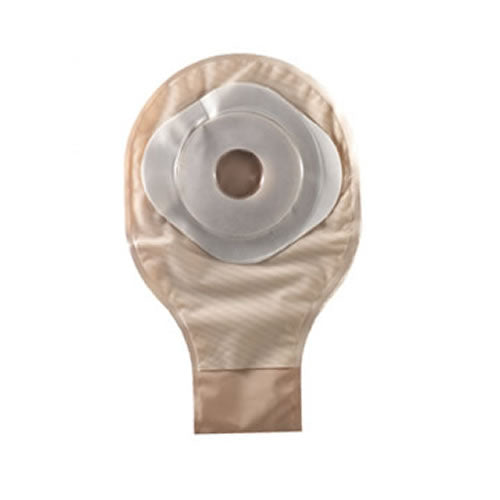
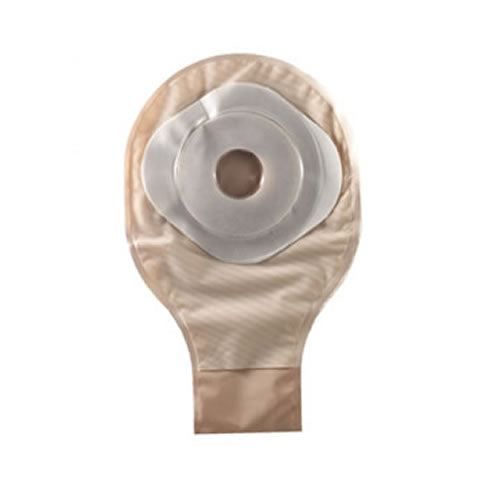
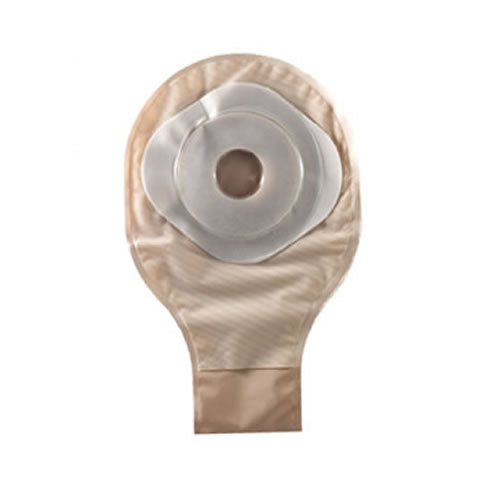
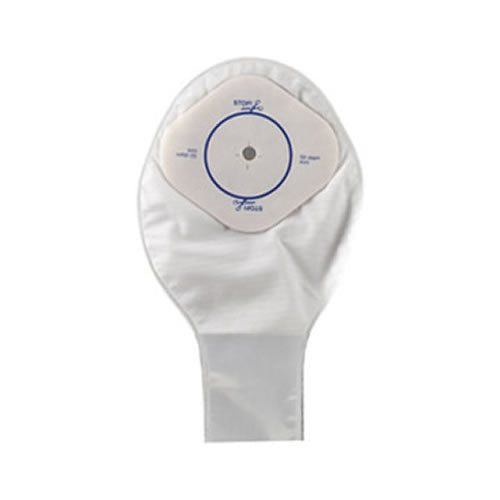
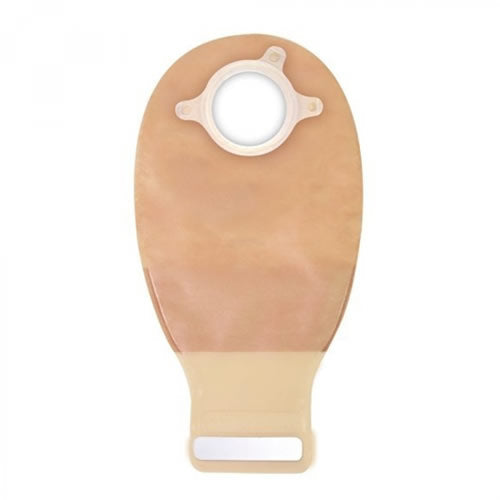
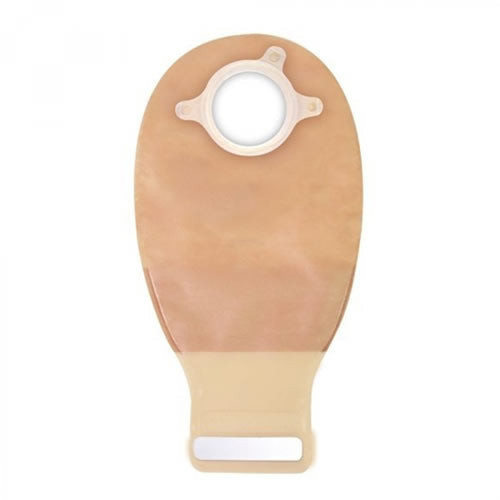
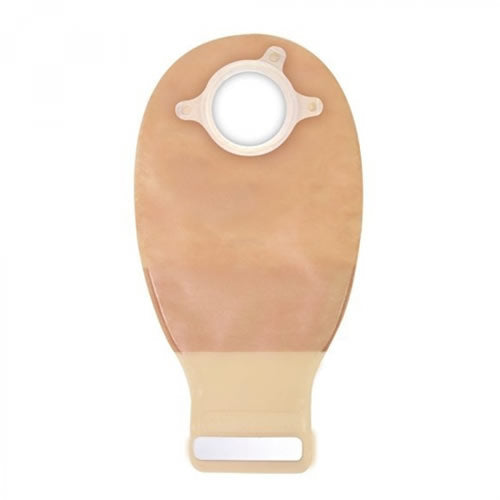
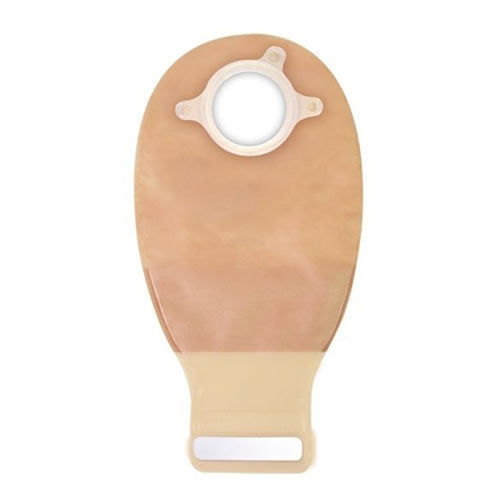
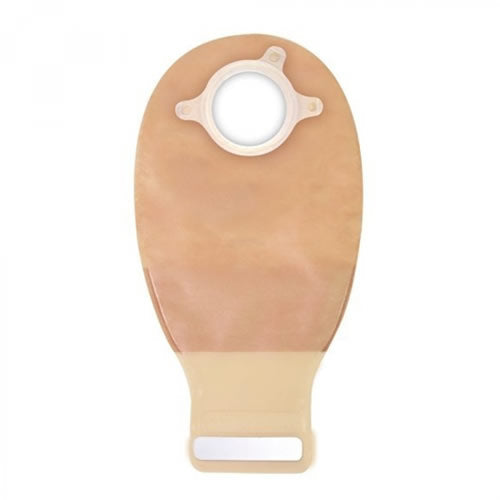
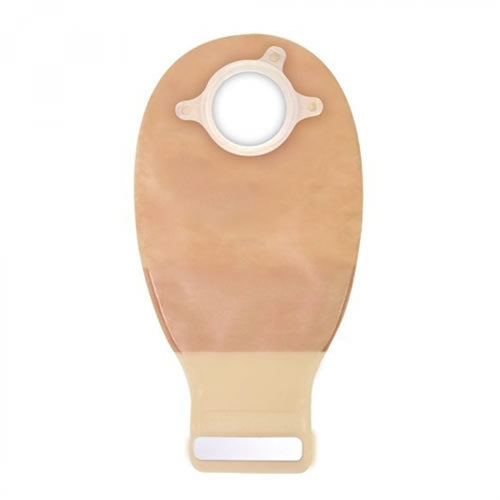
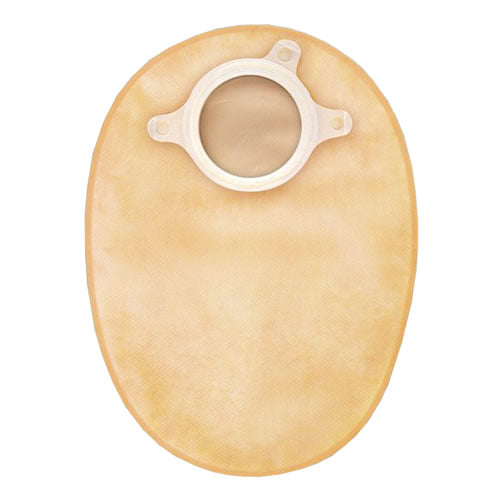
One-piece pouches have the skin barrier and pouch joined together, so the whole unit is changed at once. Two-piece pouches attach to a separate skin barrier by a flange, so the pouch can be changed while the barrier stays on the skin; the pouch flange size must match the barrier flange size.
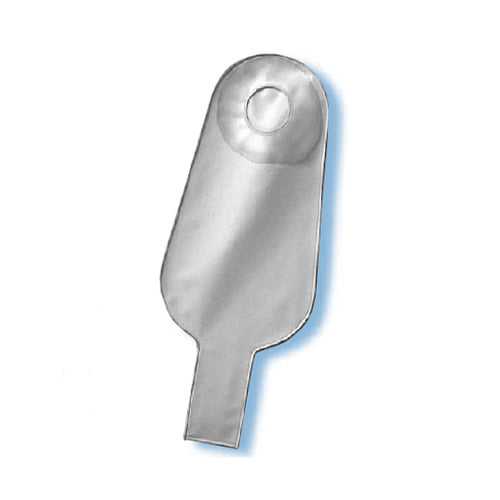
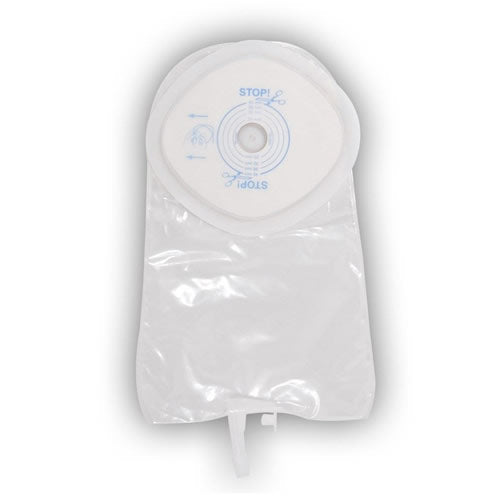
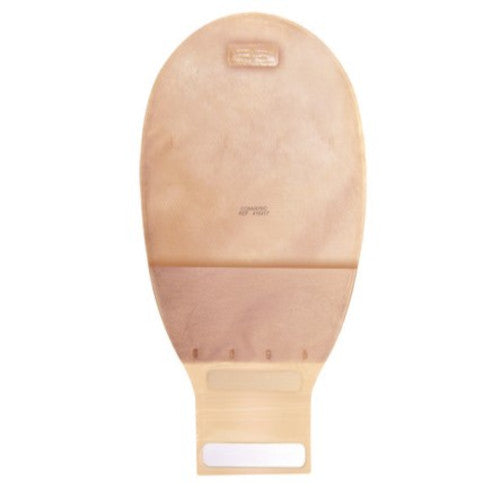
Pouches are also grouped by outlet: drainable pouches open at the bottom to empty, closed pouches are removed and replaced when full, and urostomy pouches have a tap or spout for urine. Openings are cut-to-fit (you trim to your stoma) or pre-cut to a set size, and barriers can be flat or convex. Listings show stoma or flange size, outlet type, filter and pack size; skin barriers and accessories are listed separately.
Frequently asked questions
Should I use a one-piece or two-piece pouch?
Both are common. A one-piece is lower profile and changed as a single unit. A two-piece lets you change the pouch without removing the barrier from the skin. Use the system your ostomy nurse or prescriber recommended, and match the manufacturer, since flanges are not interchangeable between brands.
How do I know which size to order?
For cut-to-fit pouches, the listing shows the largest opening you can cut; for pre-cut, it shows the fixed opening. For two-piece systems, order the pouch with the same flange size as your skin barrier. The REF on your current box identifies the exact size and style.
What is the difference between drainable, closed and urostomy pouches?
Drainable pouches have an opening at the bottom, closed with a clip or integrated closure, and are emptied several times before changing. Closed pouches have no outlet and are replaced when full. Urostomy pouches have a tap or spout designed for urine and can connect to a night drainage bag.