





About Ostomy Skin Barriers and Wafers
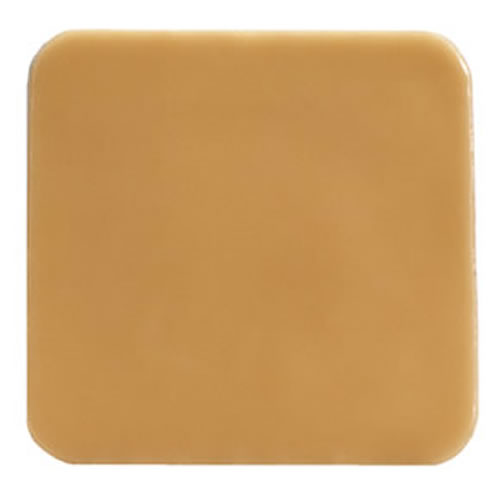
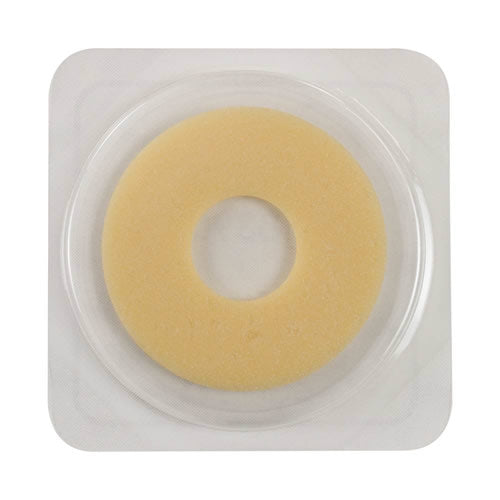
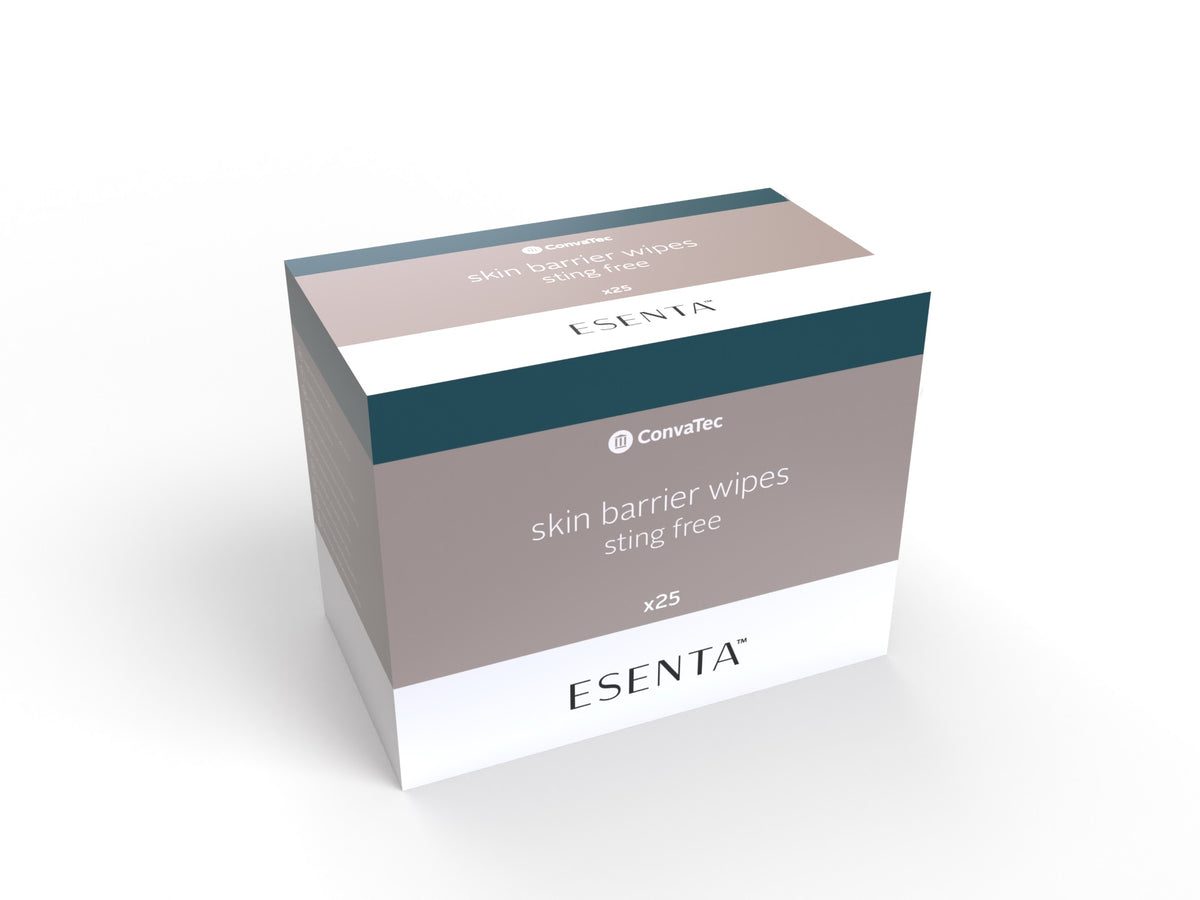
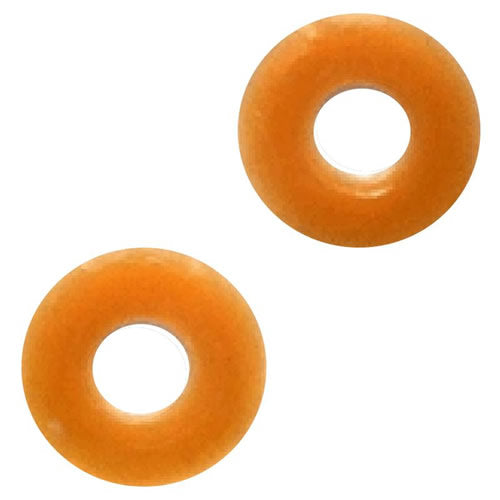
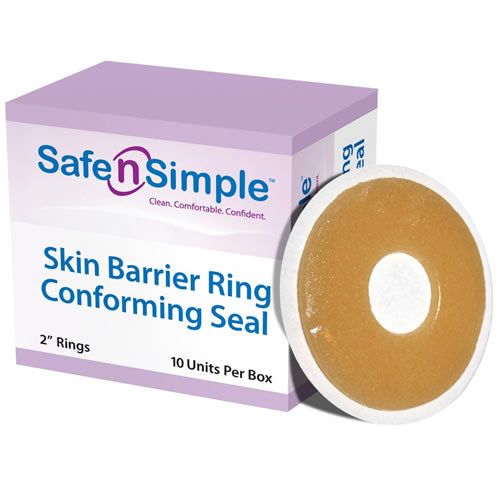
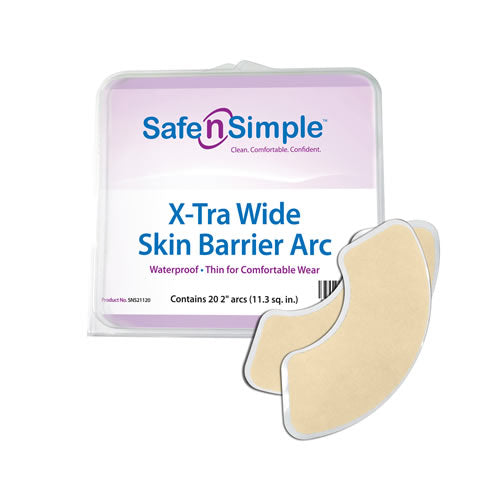
Skin barriers, also called wafers or baseplates, are the adhesive part of a two-piece ostomy system. The barrier adheres to the skin around the stoma and has a flange that the pouch couples to. This collection, part of Ostomy Supplies, includes flat and convex barriers from Hollister, ConvaTec and Coloplast.
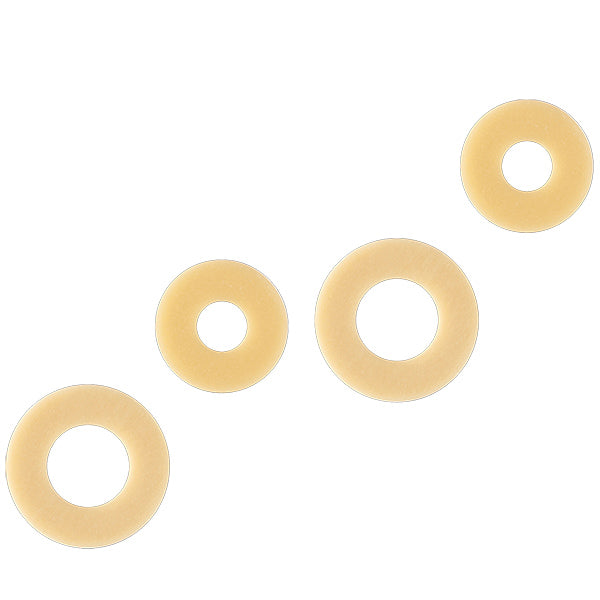
Choosing a barrier comes down to three measurements. Stoma size determines the opening: cut-to-fit barriers have a starter hole you trim with scissors, moldable barriers are shaped by hand, and pre-cut barriers have a fixed opening in a stated diameter. Flange size is the diameter of the coupling ring and must match the flange on your pouches. Convexity describes the shape of the barrier surface. Flat barriers suit stomas that protrude well above the skin, while soft and firm convex barriers are designed for stomas that are flush or recessed. The level of convexity is usually specified by your ostomy nurse or clinician.
Barriers also differ in tape border versus no border, and in standard versus extended wear formulations. On your current box, note the REF number, stoma opening range, flange size and box quantity. Those four details identify the exact wafer to reorder.
Frequently asked questions
How do I choose the right flange size, opening and convexity?
Measure your stoma with a measuring guide and choose a cut-to-fit range or pre-cut opening that fits it. Select the flange size that matches your pouches. For convexity, flat barriers suit protruding stomas and convex barriers suit flush or recessed ones, with the specific depth set by your ostomy nurse or clinician.
Do skin barriers have HCPCS codes for insurance?
Yes, ostomy skin barriers commonly carry HCPCS codes, and the code for each item is shown on its product page for reference. Whether your plan covers barriers, and how many, depends on the payer and plan. ArmadaMeds does not bill insurance or guarantee coverage, so confirm the requirements with your plan.
How do I reorder the same barrier by REF number?
Search the REF or catalog number on your barrier box. Then confirm the flange size, opening size and box quantity match what you have. Barriers are usually sold by the box, and each size combination is a separate item, so the REF number is the quickest way to find the correct one.