
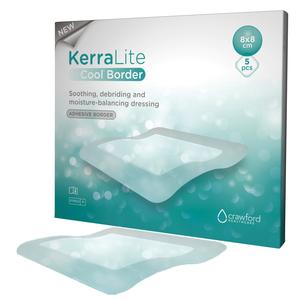
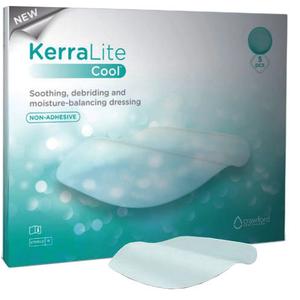
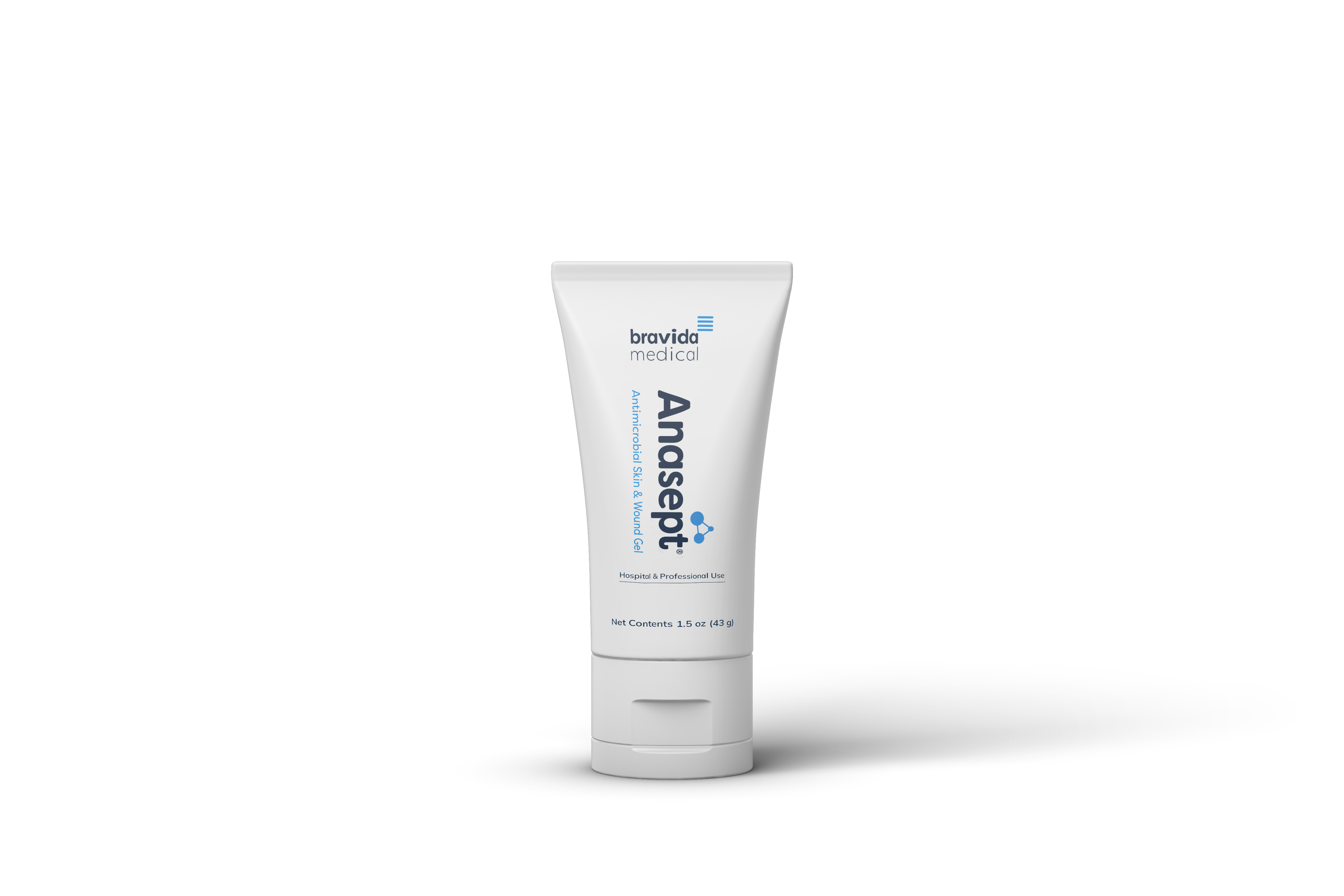
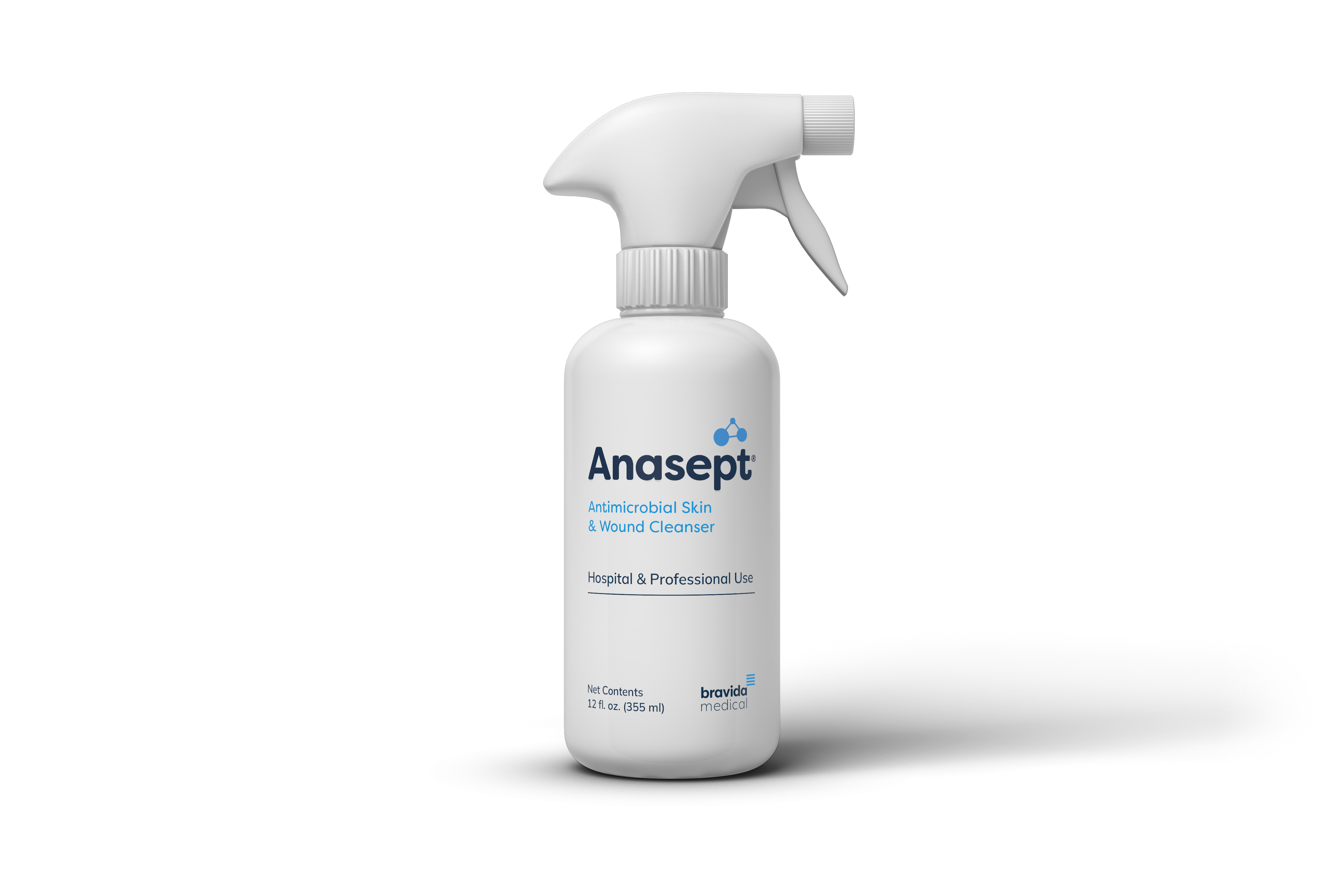
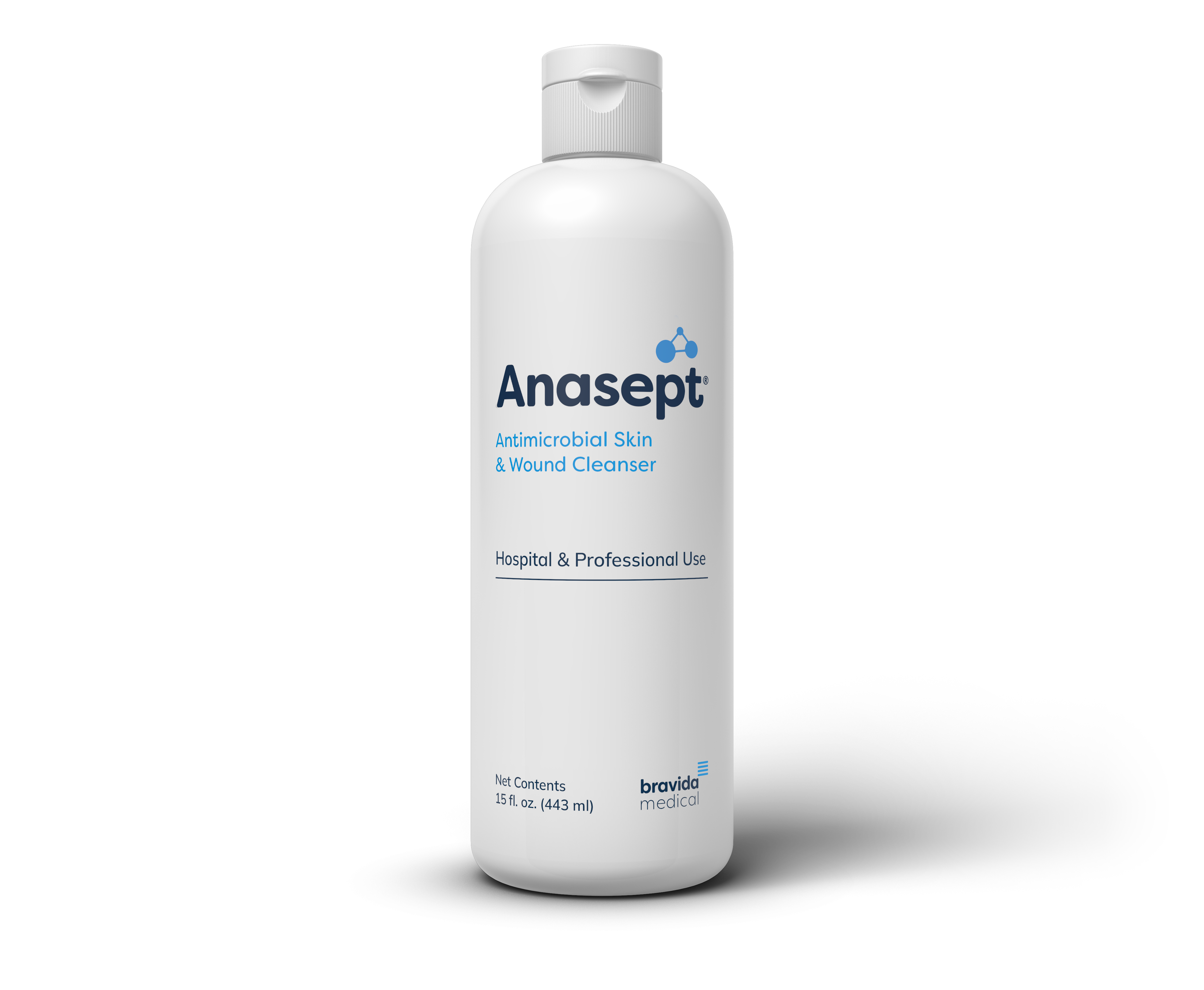
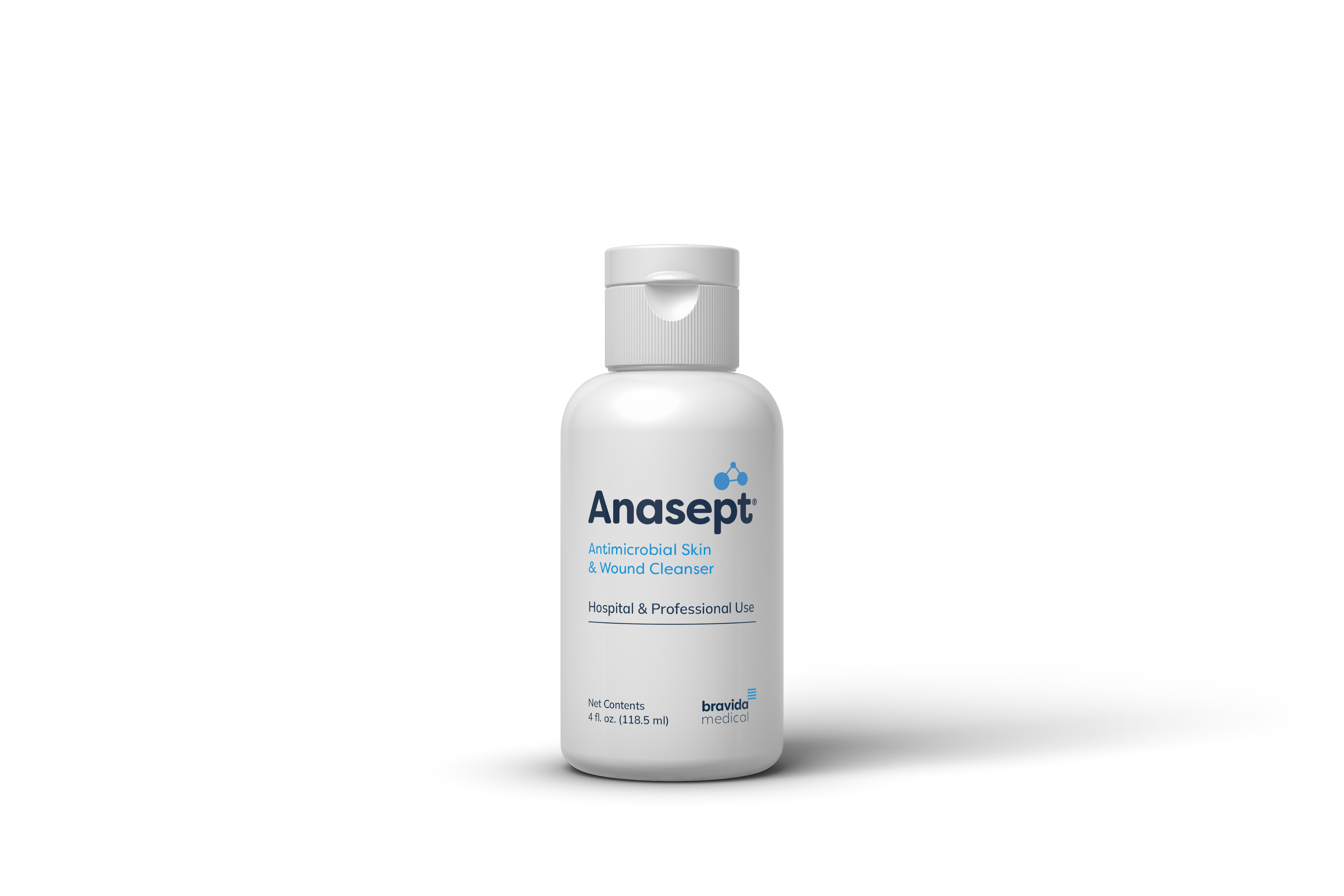


About Hydrogels & Wound Cleansers
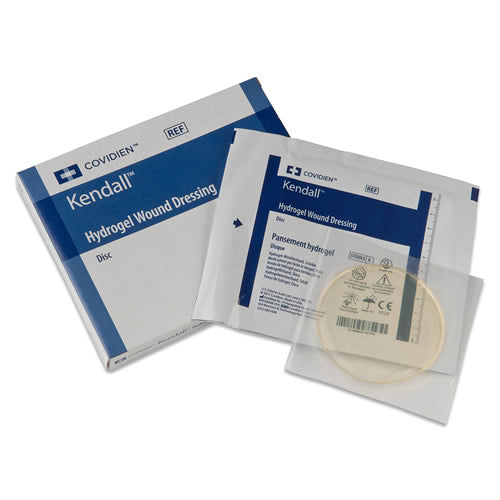
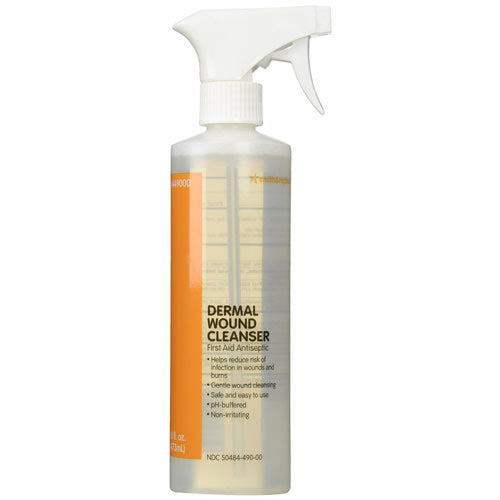
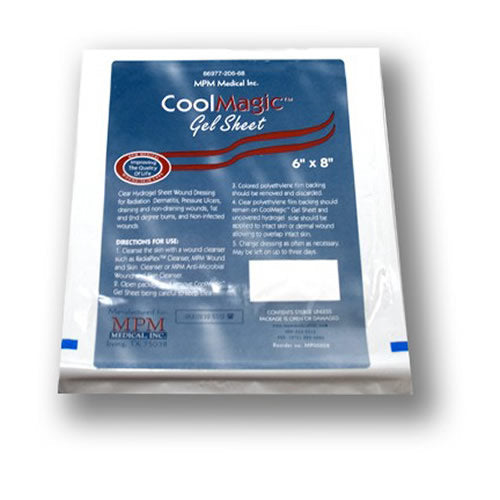
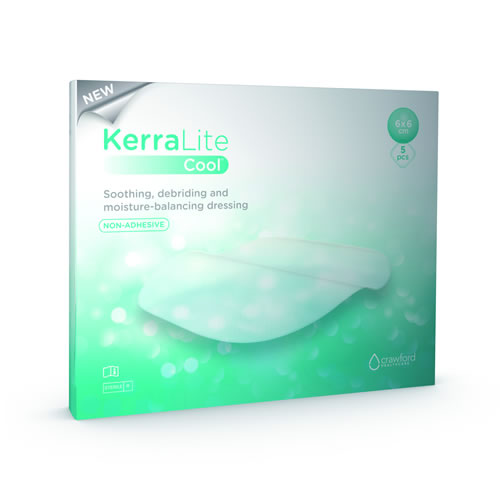
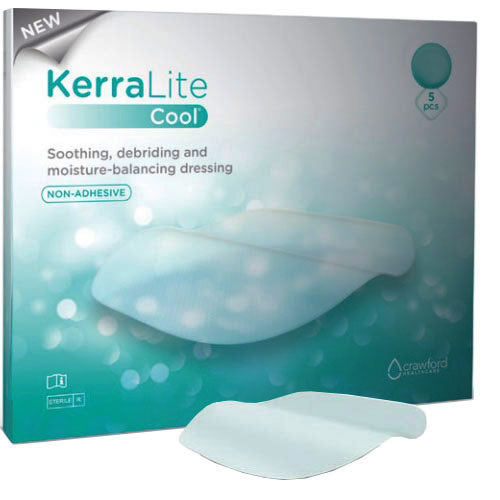
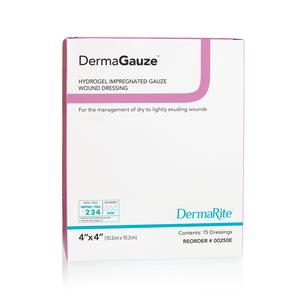
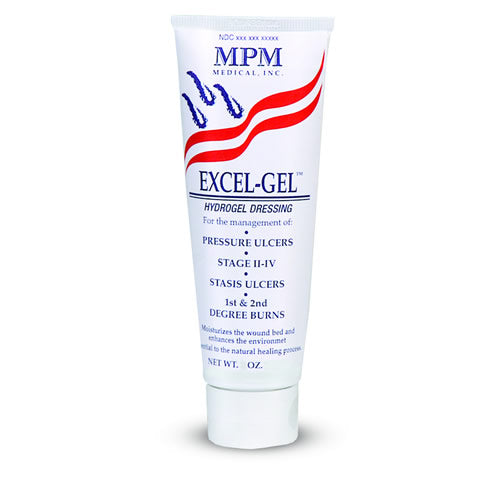
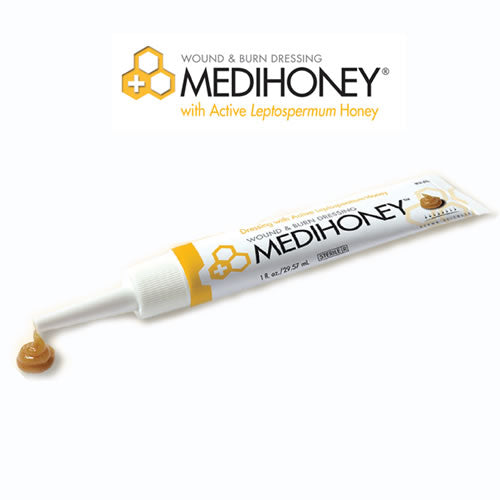
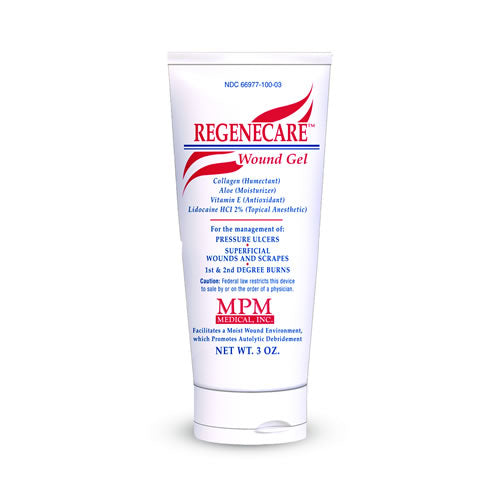
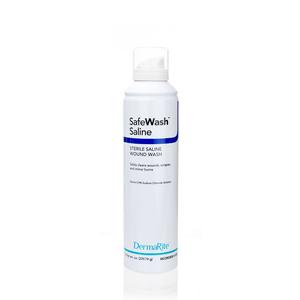
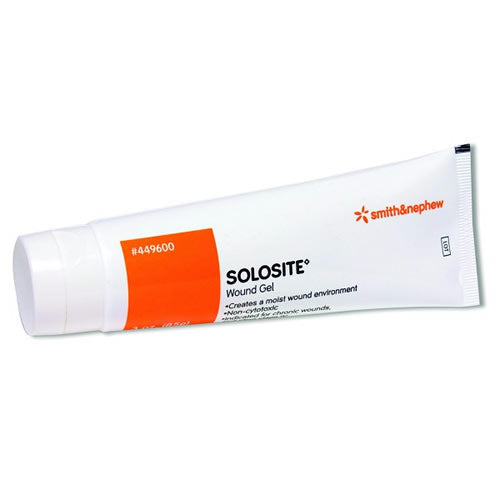
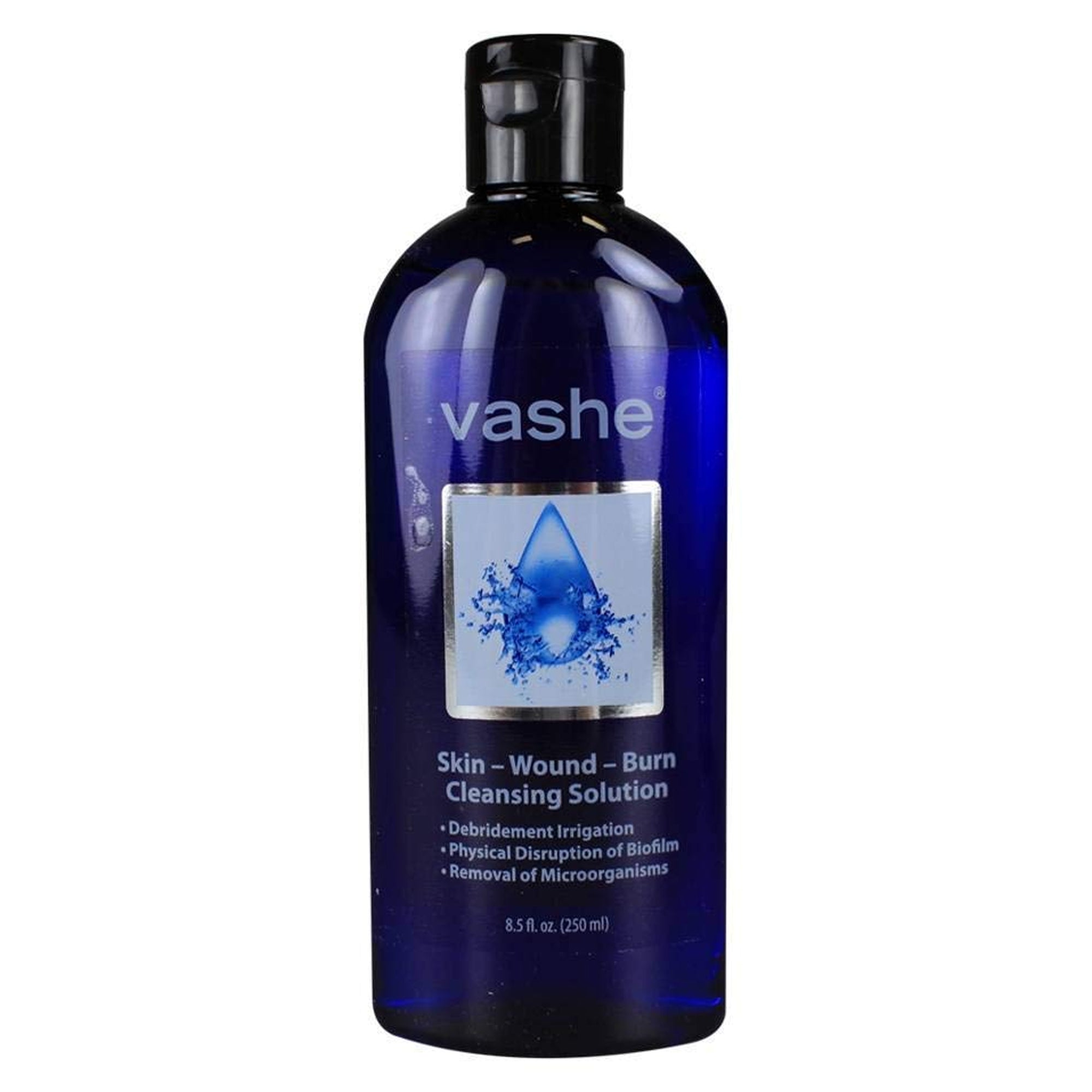
This collection pairs two related product types. Hydrogels are water- or glycerin-based gels designed to add moisture to a dry wound bed, and they come as amorphous gel in tubes, as gel sheets, and as gel-impregnated gauze. Wound cleansers are solutions used to rinse or clean a wound when dressings are changed, supplied as sprays, squeeze bottles and irrigation solutions. Products come from Gentell, Smith & Nephew and others, as part of Wound Care Supplies.
Form is the first choice. Amorphous gel is spread into or over the wound and needs a secondary dressing, gel sheets cover a defined area, and impregnated gauze can be used to fill a space. For cleansers, a trigger spray allows targeted application, while larger bottles suit irrigation. The second attribute is size or volume: sheet dimensions, gel tube size in ounces or grams, and cleanser volume in ounces or milliliters. Which product to use, and how, is as specified by your clinician.
When reordering, the REF number on the tube, bottle or box pins down form and size. Listings state whether the unit is a single tube or bottle, a box or a case.
Frequently asked questions
What is the difference between amorphous hydrogel, gel sheets and impregnated gauze?
Amorphous hydrogel is a free-flowing gel applied from a tube and covered with a secondary dressing. Gel sheets are pre-formed and cover a set area. Impregnated gauze is gauze saturated with gel, used where a space needs filling. Choose the form and size your clinician has specified for the wound.
Are hydrogels and wound cleansers covered by insurance?
Hydrogels have HCPCS codes by form and size, while many wound cleansers are not separately covered. Any codes on our pages are shown for reference only. Whether a product is covered, and in what quantity, depends on your payer and plan, and a prescription is typically required for covered wound care supplies.
How do I reorder the same gel or cleanser?
Search our site for the REF number printed on your tube, bottle or carton. That number identifies the form, size or volume, and packaging. Listings show whether you are buying one unit, a box or a case, so match that to how quickly you use the product.