






About ENFit & Enteral Syringes
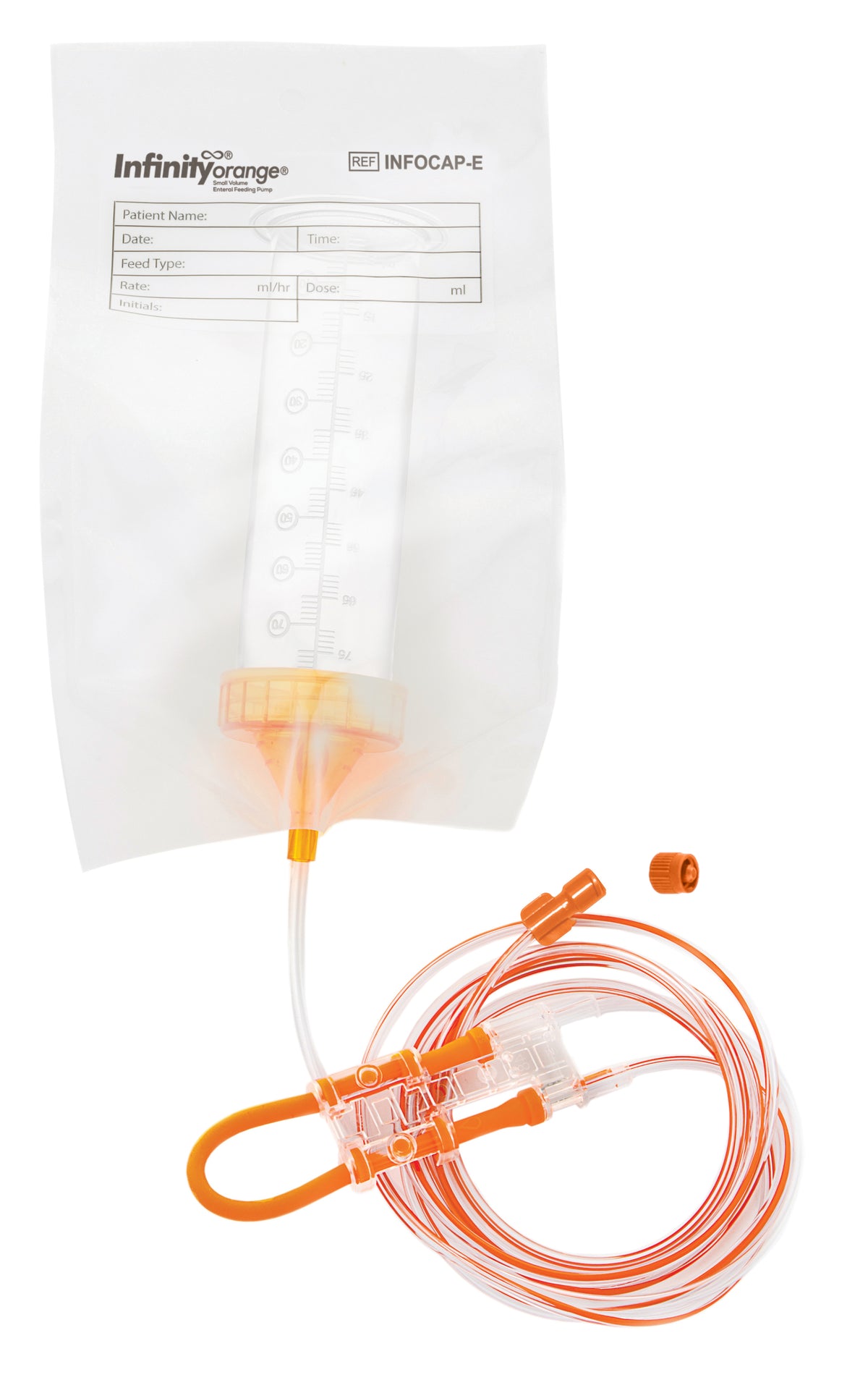
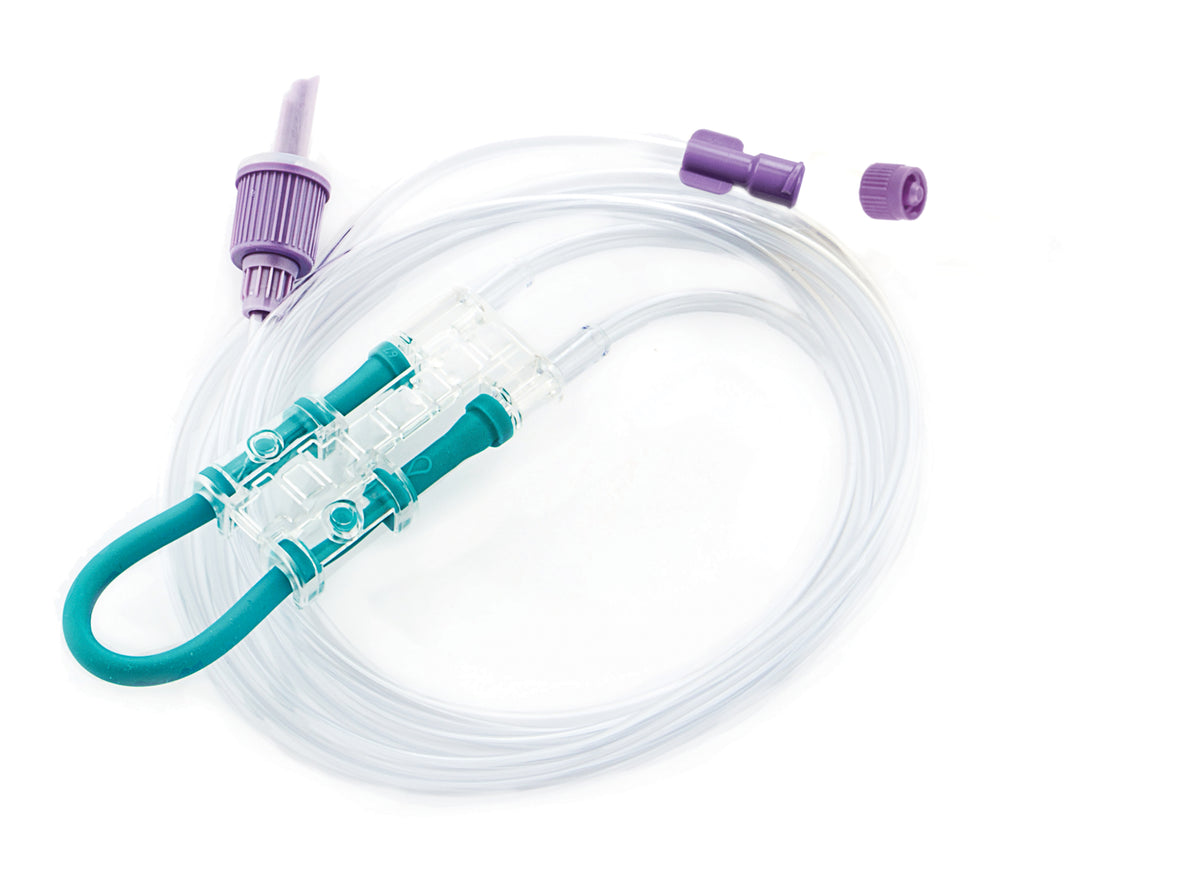
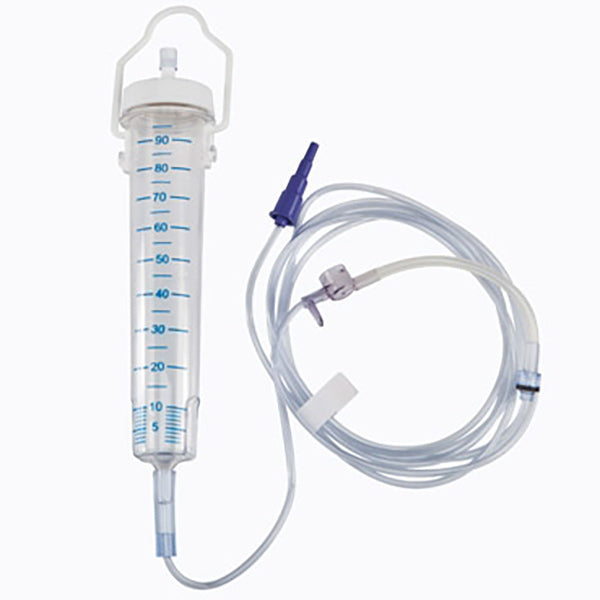
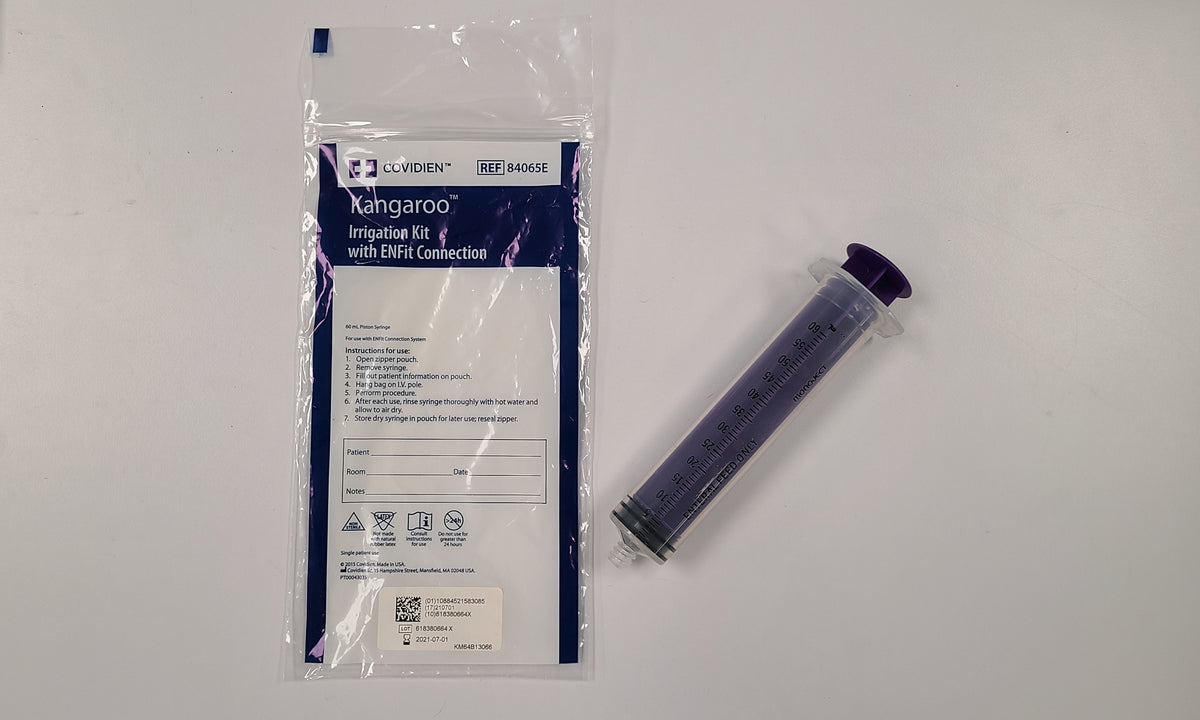
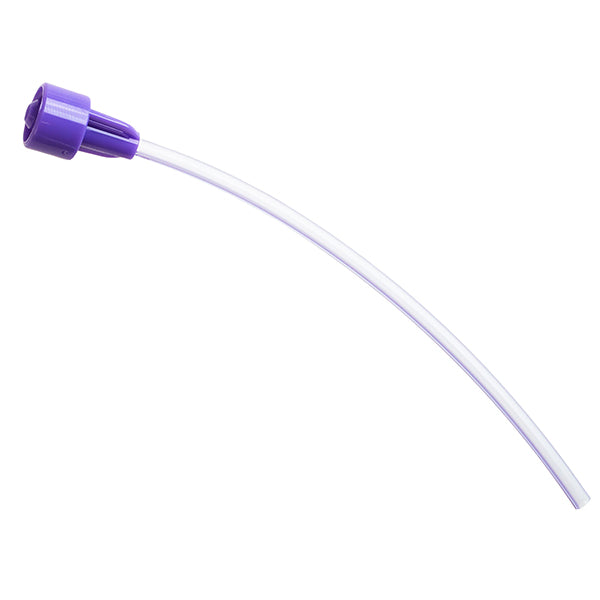
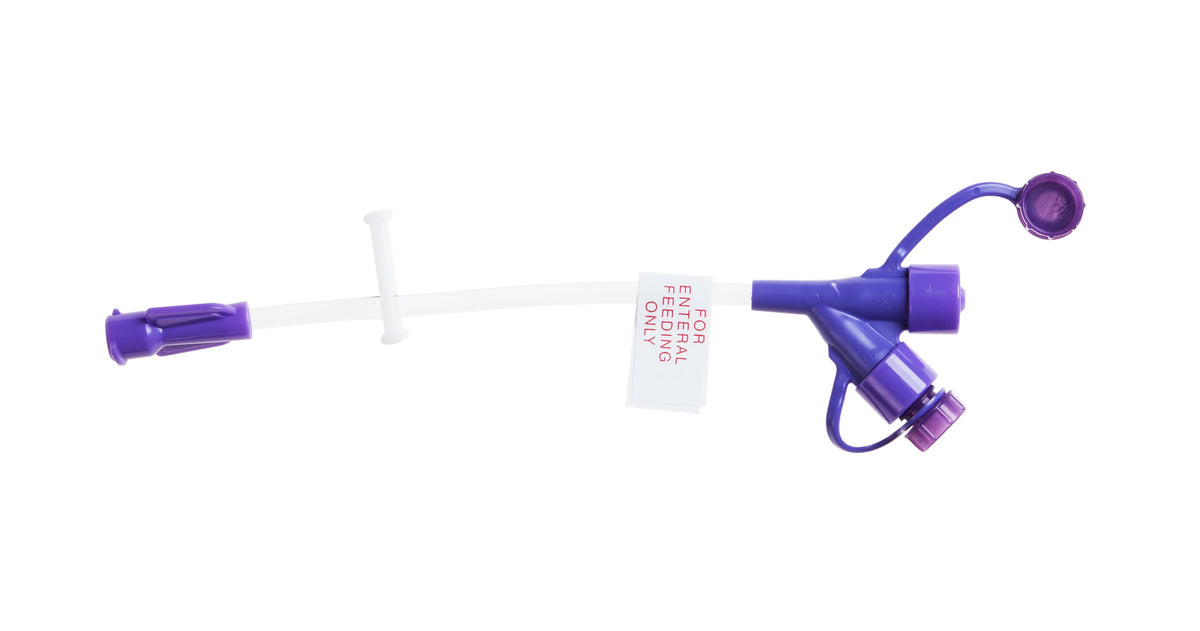
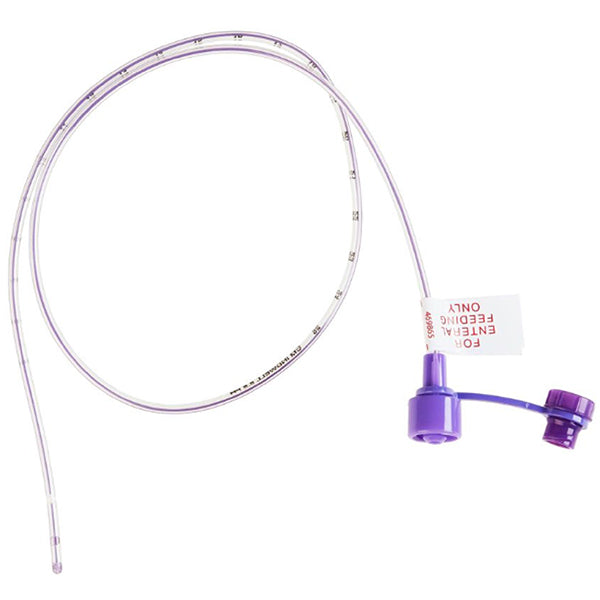
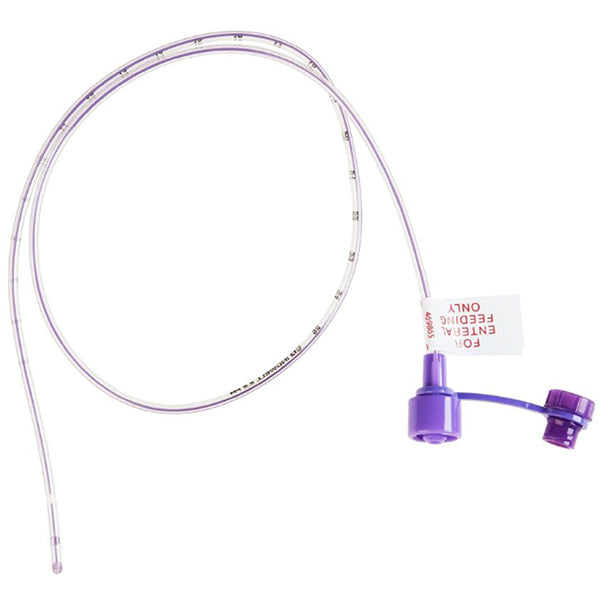
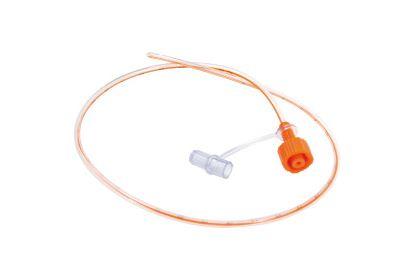
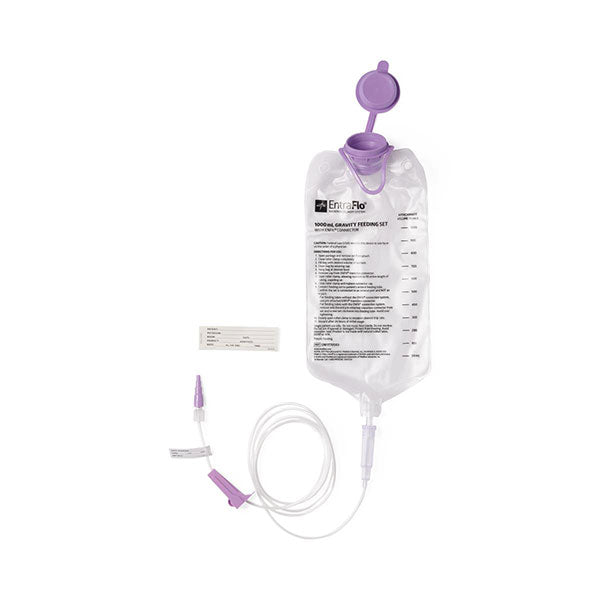
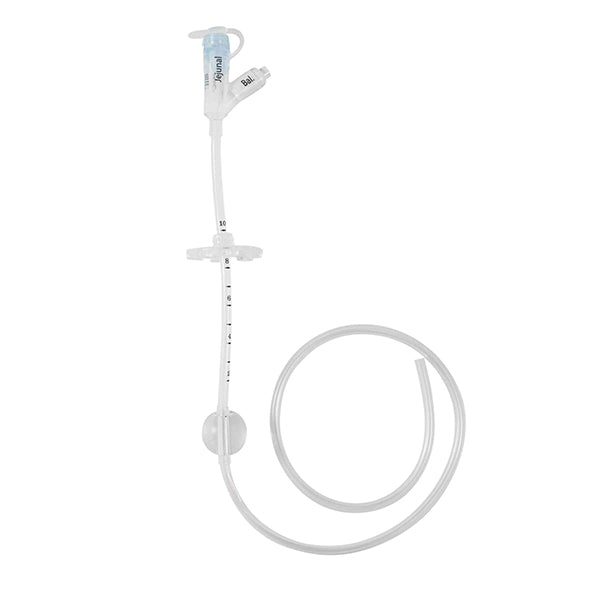
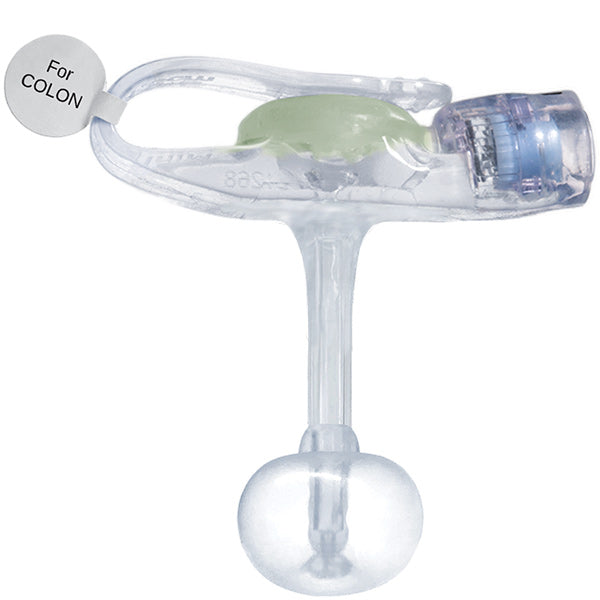
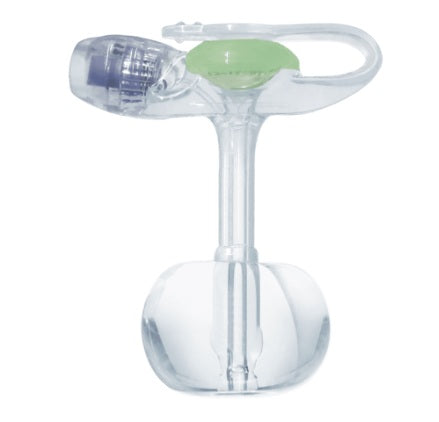
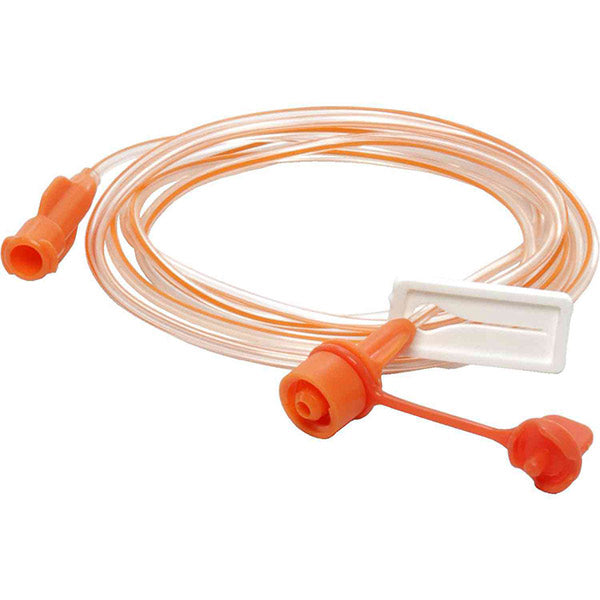
Enteral syringes are used to give feeds, water flushes and medications through a feeding tube, and they are built with connectors that are not meant to fit IV or luer lines. Most current products use the ENFit connector standard. This collection includes ENFit and legacy-tip enteral syringes, low-dose tip syringes, transition connectors and extension sets. It is part of Enteral Feeding Supplies, next to G-tubes and balloon buttons and feeding tubes and pump sets.
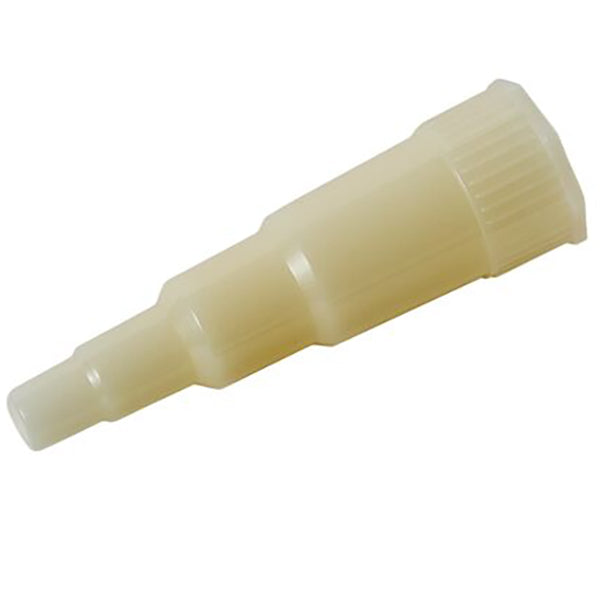
Volume in mL is the first choice, from small syringes used for measured medication doses up to 60 mL syringes used for bolus feeds and flushes. Tip type comes next: a standard ENFit tip, an ENFit low-dose tip designed for more consistent small-volume dosing, or an older catheter or oral tip. Make sure the tip matches the port on your extension set or tube. Transition connectors let an older tube accept ENFit devices.
Count matters for reordering, because enteral syringes are sold individually wrapped, in boxes and in cases. The REF number on your current package confirms volume, tip and pack size together, so searching for it returns the identical item.
Frequently asked questions
Which syringe size and tip type should I use?
Use the volume and tip type specified by your clinician or feeding plan. Small syringes, often with a low-dose ENFit tip, are used for measured medications, while larger 60 mL syringes are used for bolus feeds and flushes. The tip must match the port on your extension set or feeding tube.
Are enteral syringes covered by insurance?
Enteral supplies may be eligible for coverage as part of an enteral nutrition benefit, sometimes billed within a daily supply kit code such as B4034 for syringe-fed feeding. HCPCS codes on our pages are shown for reference only. Coverage and quantity limits depend on your payer and plan, and a prescription is usually required.
How do I reorder the same syringes?
Check the REF number printed on your current syringe wrapper or box and search for it on our site. It identifies the volume, tip type and whether the syringe is sterile. Listings state the count per box and per case, so you can reorder the same pack size each time.